

.png) 2 months ago
83
2 months ago
83
PROTECT YOUR DNA WITH QUANTUM TECHNOLOGY
Orgo-Life the new way to the future Advertising by AdpathwayLet me show you 16 clever uses for Marseille de Savon soap all around the home. With uses including plastic-free dishwashing and natural stain removal, as well as ways to incorporate it into your beauty routine, you’ll soon see why I’m in a lather over this eco-friendly wonder.
Have you heard of Marseille soap before? Also known as Savon de Marseille, this incredibly versatile and plastic-free soap has many clever uses around the home. Here are lots of ways you can incorporate this soap into your green cleaning and natural beauty routine:
16 Clever Marseille Soap Uses Around The Home
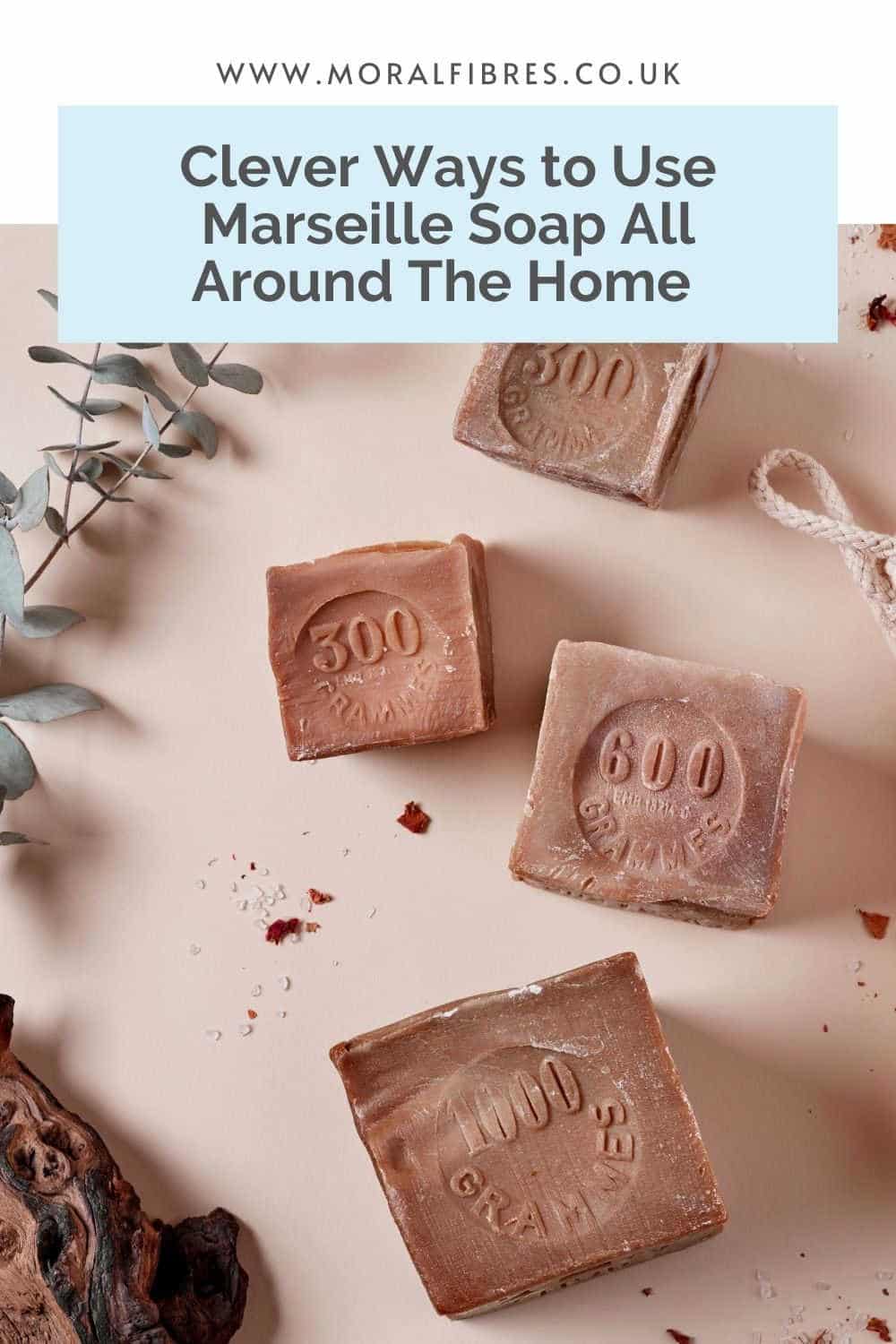
If you’re looking to add Marseille Soap to your cleaning regime, then try my 16 clever ways to use it all around the home:
Stain Removal From Clothes
Looking for an eco-friendly alternative to stain removal bars? Step forward Marseille soap – your new laundry BFF.
Marseille soap is effective at removing stubborn stains (including grass, blood, butter, lipstick, oil, grease, and ink) on a wide range of fabrics.
To use the soap as a stain remover, simply wet the stained area with cold water, and rub a little soap directly onto the stain. Let it sit for 15 minutes before washing as normal with your regular detergent. Act quickly though – it works best on new stains that haven’t had time to set.
As A Laundry Detergent
As well as removing stains, Marseille soap can be used to make an everyday liquid laundry detergent that’s incredibly effective yet all-natural.
You Will Need
To make 2 litres of laundry detergent you will need:
- 2 litres of hot water (use boiled water that has been cooled a little)
- 100g of grated Marseille soap
- 30 g of bicarbonate of soda
- A 2-litre capacity bottle
Method
- To a pan filled with hot water, add the grated soap and bicarbonate of soda.
- Stir well, until the soap has fully dissolved.
- Allow the soapy solution to cool, and then decant it into a 2 L bottle, before sealing.
Shelf Life
Provided you have used boiled water that has been cooled, this laundry liquid should have a shelf life of 6 to 8 weeks. If you have used warm water from the tap, it will have a shelf life of around 2 weeks.
To Use
Add around 200 ml of liquid into the detergent compartment of your washing machine, and run a wash cycle as normal. The laundry liquid is suitable for use on any fabric and can even be used to wash delicates, such as silk, wool, or lace.
This laundry detergent can be used in conjunction with my natural fabric conditioner, for naturally soft clothes.
If you are handwashing, add 100 ml of the laundry liquid to a sink of warm water. Swirl it around with your hand, before handwashing your clothes.
Do note that the laundry liquid can set in the bottle when it cools down completely. If this happens, then you can give the bottle a good shake before each use to return it to its liquid form.
Handwashing Delicate Fabrics
If you don’t want to use Marseille soap for your full laundry routine, it’s well worth keeping a block to hand for handwashing delicate fabrics.
Because of its simple ingredients, Marseille soap is particularly well suited to delicate fabrics, such as wool, silk, lace and baby clothes.
To handwash delicate garments, dissolve a small amount of grated Marseille soap in a basin of lukewarm water. Gently swish the garment through the water and leave it to soak for a few minutes before rinsing thoroughly with clean water.
As always, check the care label first, and avoid hot water when washing wool or silk, as this can damage the fibres. Lukewarm is always best.
For Washing Dishes
Marseille soap can tackle dirty dishes with ease, the plastic-free way. Simply grate a little of the soap into hot water, and swish with your hand or scrubbing brush to dissolve, before washing your dishes.
If you’re washing one plate, and aren’t filling the sink, then you can still use the soap. Just swipe the soap bar onto your cloth, scourer or scrubbing brush, to create a lather, and then scrub your plate.
Cleaning Makeup Brushes
Makeup brushes can get quite grubby and harbour bacteria, which can cause spots. Thankfully, I’ve found that it’s easy to clean them with Marseille soap.
All you need to do is wet your brushes with lukewarm water and then gently swirl them across the soap bar to create a lather. Then work the soap through the bristles with your fingers before rinsing thoroughly. Repeat until the water runs clear, then reshape the brushes, and leave them to dry flat.
Removing Carpet & Upholstery Stains
Marseille soap can also be used to remove stains from upholstery and carpets. Do a patch test in an inconspicuous area first though, as some upholstery fabrics can stain in contact with water. Meanwhile, on some upholstery fabrics, the soap and water could cause the dye to fade or run. After use, let the area that you’ve patch tested to dry, to see how it reacts.
If your carpet or upholstery reacts well to the patch test then you can dampen the stained area with a little cold water, and then rub the soap on. Gently work in with a cloth or brush, before applying a damp cloth to remove the soap. Leave to dry and then vacuum.
As A Hard Surface Cleaner
Marseille soap is effective at cleaning all types of hard surfaces all around your home.
You can make up a spray solution, by mixing around 50 g of finely grated soap with 500 ml of boiled (but not boiling water). Decant this into a spray bottle, give it a good shake to mix, and you are good to clean worktops, cupboard doors, hard floors, and more.
To make its use even more convenient, you can also rub a damp cloth or damp scrubbing brush across a bar of soap and then directly clean any surface.
And if like me, you have kids that like to place their dirty hands on your walls, then you’ll be overjoyed to hear that this method of using the soap works a charm on painted plastered walls.
To clean your walls, simply wet a cloth or a scrubbing brush and then apply a little soap to the cloth or brush. Scrub the walls to remove any child-related filth. We’ve had success removing dirt, chocolate, blood, toothpaste and more. Just don’t ask how any of these substances ended up on our walls!
As always though, do a patch test in an area hidden by your furniture before proceeding to clean your walls. I haven’t tried this on wallpapered walls so proceed with caution if you decide to try this out on wallpaper.
As A Natural Toilet Cleaner
Whilst I prefer to use citric acid to clean my toilet or an eco-friendly toilet cleaner, Marseille soap can also be used to naturally clean your loo.
Melt around 50 g of soap in 1 litre of warm water that has been boiled, and then decant the solution into a 1-litre bottle. Pour a little liquid down your toilet, and then scrub with your toilet brush.
The solution should last for around 6 – 8 weeks.
Whilst this doesn’t tackle limescale – as citric acid does – it does tackle general dirt and leaves your toilet smelling fresh. For best results, I would use the soap in conjunction with citric acid.
As A Body Wash
Marseille soap isn’t just for cleaning your home. You can also use it to clean your body. As it’s packed with natural vegetable oils, its gentle formulation is kind to your skin, nourishing it naturally without any nasties.
To use simply create a lather with your hands, or rub it into a flannel or sponge, to get yourself squeaky clean.
A Shaving Soap Alternative
Marseille soap acts as a great natural alternative to shaving soap. With wet hands, create a lather on the area you want to shave, and then shave as normal.
Use As A Shampoo
In a pinch, you can use Marseille soap as a shampoo. Simply swipe your hair with the soap and rub it to create a rich lather, before rinsing well.
I find it fine for occasional use, but frequent use can cause a waxy build-up in your hair. If you are interested in switching to a solid shampoo bar I would use one of my tried-and-tested shampoo bars. These effectively cleanse your hair without the waxy residue.
Natural Insecticide
Are your plants being nibbled by aphids or insects? Don’t head to the garden centre for insecticide. Instead, try Marseille soap for an altogether more eco-friendly approach.
To make this natural insect repellant, simply mix 75 g of finely grated Marseille soap in 500 ml of boiled (but not boiling) water. For an extra insect-repelling kick, you can optionally add half a teaspoon of powdered cayenne pepper or cinnamon to the solution. Mix well to dissolve, and then decant into a spray bottle.
To use, spray the solution directly on your plants, preferably at the beginning or end of the day. To be on the safe side, do carry out a patch test, on one leaf of the plant, before applying the rest of it.
This method works by damaging the outer membrane of soft-bodied aphids. Once this membrane is damaged, the aphids become dehydrated and die. However, you should only spray the aphid clusters directly, as it can harm other insects if used indiscriminately. This can include beneficial pollinators.
It’s also important to only spray plants at a time of day when they are not in direct sunlight. The soap can burn your plant if applied in full sunlight.
You can also try my Castile soap aphid spray that’s also super effective.
To Clean Your Iron
If your iron is looking a little grubby or leaving dirty marks on your clothes then you can use Marseille soap to freshen it up. Carefully swipe a little soap onto a warm (but not hot) iron plate. Then let your iron heat up, before ironing an old dish towel or cloth. This action will clear off any melted fibres that have stuck to your iron.
As A Natural Moth Repellent
Marseille soap doesn’t smell bad to humans. However, if you are plagued by moths chewing up your best woollens, then you might be interested to know that moths are utterly repulsed by the smell of the soap.
Simply placing some slivers of soap in cotton bags in your wardrobe, as well as in the pockets of your clothing, can help to repel moths from your wardrobes. For clothing in drawers, try placing a few slices of soap in between the folds of your knitwear.
The soap will repel moths for up to 3 months. After this time, it should be replaced with fresh soap. However, there’s no need to bin the soap slices. The dried soap can then be used around the home to help prevent waste – whether that’s dishes, laundry, or something else.
It’s worth knowing that conkers can also help to repel moths. If you are particularly plagued by moths, you could try a double-pronged approach – soap and conkers!
As A Pet Shampoo
Even your dog can get in on the Marseille soap action. As the soap contains only natural ingredients, it shouldn’t irritate their skin – but if you are in any doubt do consult with your vet before using.
If you get the ok, then to use the soap on your smelly or dirty dog, pop your pooch into the bath or shower. Wet them with the shower head, and then gently rub the bar directly into their fur – much like you would use a shampoo bar. Massage the soap in, and then rinse thoroughly to remove all the soap suds.
That’s all there is to it. Of course, how easy the task is depends on how much your dog likes to be washed!
Cleaning Silver Jewellery
It’s not just your dog that can benefit from Marseille soap: your sterling silver jewellery can too!
To help bring the shine back to tarnished pieces of sterling silver jewellery, fill a bowl with hot water, and add a tablespoon of grated soap. Stir to dissolve, before adding your jewellery. Allow your pieces to soak for around 15 minutes, before rubbing them with a soft cloth and then rinsing clean. This will bring the sparkle right back.
What Is Marseille Soap?
After all of this, you might be wondering what this soap is exactly. Marseille soap is a traditional hard soap made from vegetable oil that has been produced in Marseille, France for over 600 years.
As one of the original eco-friendly cleaning products, it’s been well-loved for generations due to its superior cleaning power when it comes to cleaning, laundry and bathing, as well as its natural ingredients.
This soap is made from only four ingredients: natural vegetable oil (traditionally olive oil), soda, salt, and freshwater. This makes each bar naturally hypoallergenic.
What’s more, as it is traditionally made without any petrochemicals, parabens, antioxidants or animal fat, each bar is completely biodegradable and vegan-friendly.
Where To Buy Authentic Savon De Marseille Soap
If you are looking to add Marseille soap to your cleaning and beauty routines then tread carefully. There are no protections or rules governing its production.
In March 2020 an application for a geographical indication that would prevent anyone outside of Marseille from making Savon de Marseille soap was rejected. This means that anyone, in any country, and using any ingredients, can lawfully claim to produce Marseille soap.
The issue with soaps produced in other countries is that ingredients and processes can be changed, and chemical additives could be added – giving you an altogether inferior product. As such, I’d recommend buying only authentic soap.
How To Identify Genuine Marseille Soap
Because there are no legal protections around the name, it’s worth checking a few details before buying.
Authentic Marseille soap will typically:
- Be made using vegetable oils.
- Contain a short, simple ingredient list.
- Be free from synthetic colourings and fragrances.
- Display the traditional 72% vegetable oil stamp.
- Be produced by an established Marseille soap manufacturer.
You can buy authentic Marseille soap from Amazon and from various other retailers. The Marius Fabre brand that I’ve linked to is a completely palm oil-free soap maker. If you’re exploring other brands, as a general rule of thumb (but not always) the green version, which is the original formulation is palm oil-free. The beige version can sometimes contain palm oil. Check the ingredients carefully before you buy.
Sign Up For The Moral Fibres Substack
Get all the latest articles from Moral Fibres straight to your inbox, once a month, free of charge through Substack. You can also upgrade to be a paid Substack subscriber, where you’ll receive an additional two exclusive articles a month. Sign up now:

Wendy Graham
Wendy Graham is a sustainability expert and the founder of Moral Fibres, where's she's written hundreds of articles on since starting the site in 2013. She's dedicated to bringing you sustainability advice you can trust.
Wendy holds a BSc (Hons) in Environmental Geography and an MSc (with Distinction) in Environmental Sustainability - specialising in environmental education.
As well as this, Wendy brings 17 years of professional experience working in the sustainability sector to the blog.












.png)






.jpg)



 English (US) ·
  French (CA) ·