

 4 days ago
6
4 days ago
6
PROTECT YOUR DNA WITH QUANTUM TECHNOLOGY
Orgo-Life the new way to the future Advertising by AdpathwayA federal judge’s recent ruling has stirred significant debate regarding the powers of the presidency and the integrity of elections. On Wednesday, US District Judge Denise Casper permanently blocked an executive order from President Donald Trump that aimed to enforce proof of citizenship for voter registration. This decision highlights an ongoing struggle over who holds authority over election regulations.
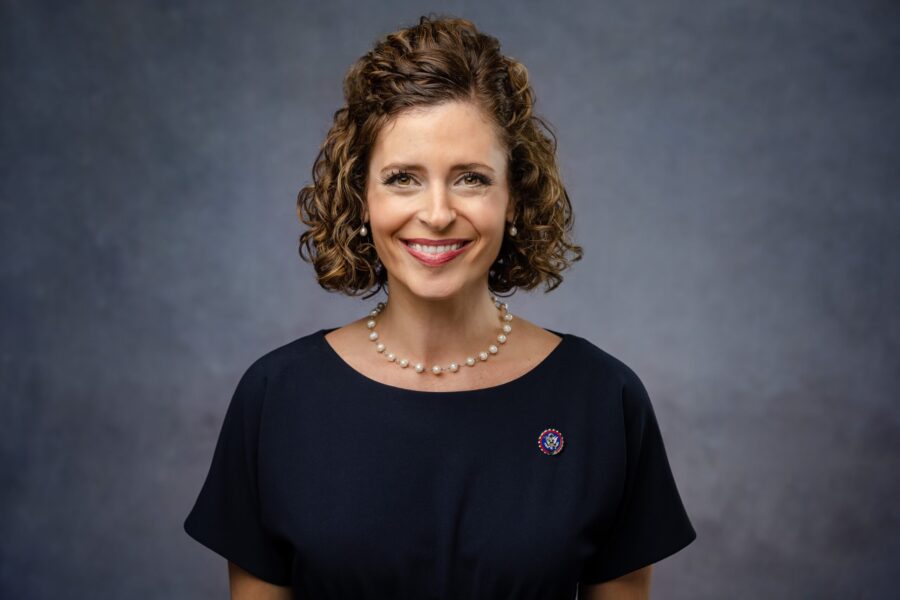
Judge Casper, appointed by former President Obama, asserted that the Constitution does not grant the President specific powers over the electoral process. According to the Associated Press, she emphasized that the power to regulate elections rests primarily with the states and Congress. This interpretation of the separation of powers stands as a crucial benchmark against perceived overreach from the executive branch.
The executive order in question, signed by Trump in March 2025 and titled “Preserving and Protecting the Integrity of American Elections,” aimed to address concerns about election fraud and ensure that only eligible voters participate. The order underscored the belief that “free, fair, and honest elections” are essential to maintaining the country’s democratic foundations. It also pointed to vulnerabilities in the system, such as allowing non-citizens to register to vote or counting late ballots, as reasons for implementing stricter measures.
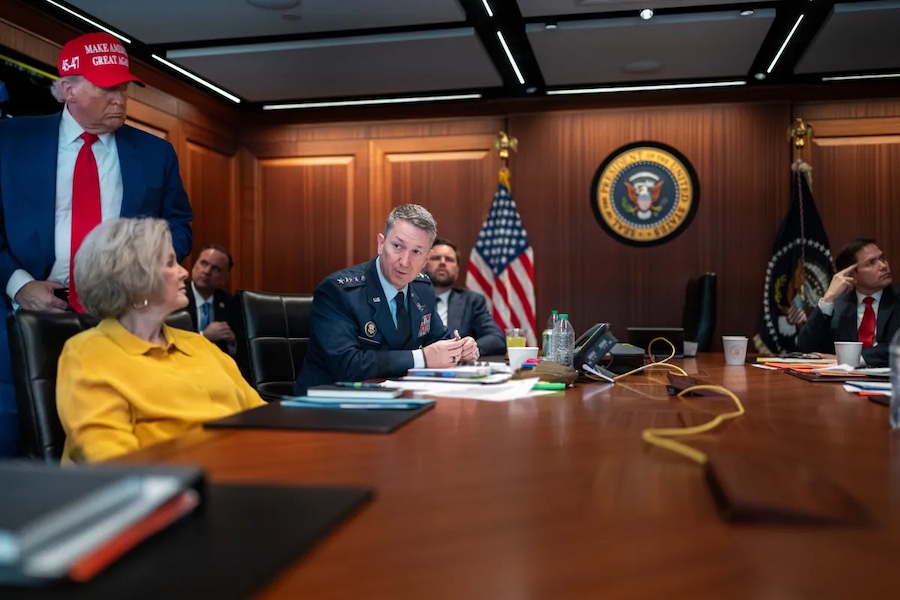
Trump’s initiative called for robust safeguards to protect the sanctity of American elections. He underlined the necessity of following both federal laws and state regulations to prevent illegal voting and other forms of corruption. In a direct appeal to Congress, he pushed for the passage of the SAVE America Act, which aims to mandate voter identification and eliminate mail-in ballots, further solidifying the administration’s commitment to election security.
The judge’s ruling, which the Department of Justice plans to appeal, underscores a significant clash between judicial authority and executive action. Judge Casper’s decision may reshape the landscape of voting regulations in the United States. If upheld, it could hinder efforts to impose stricter voter ID laws at a time when many lawmakers are advocating for enhanced election security measures.
This ruling raises important questions about the balance of power in American governance and the interpretation of the Constitution concerning elections. As the political discourse unfolds, the implications of such judicial decisions will be closely monitored, especially in light of the upcoming elections and ongoing debates about voting rights and election integrity.
"*" indicates required fields









.png)


.jpg)


 English (US) ·
  French (CA) ·