

 1 week ago
22
1 week ago
22
PROTECT YOUR DNA WITH QUANTUM TECHNOLOGY
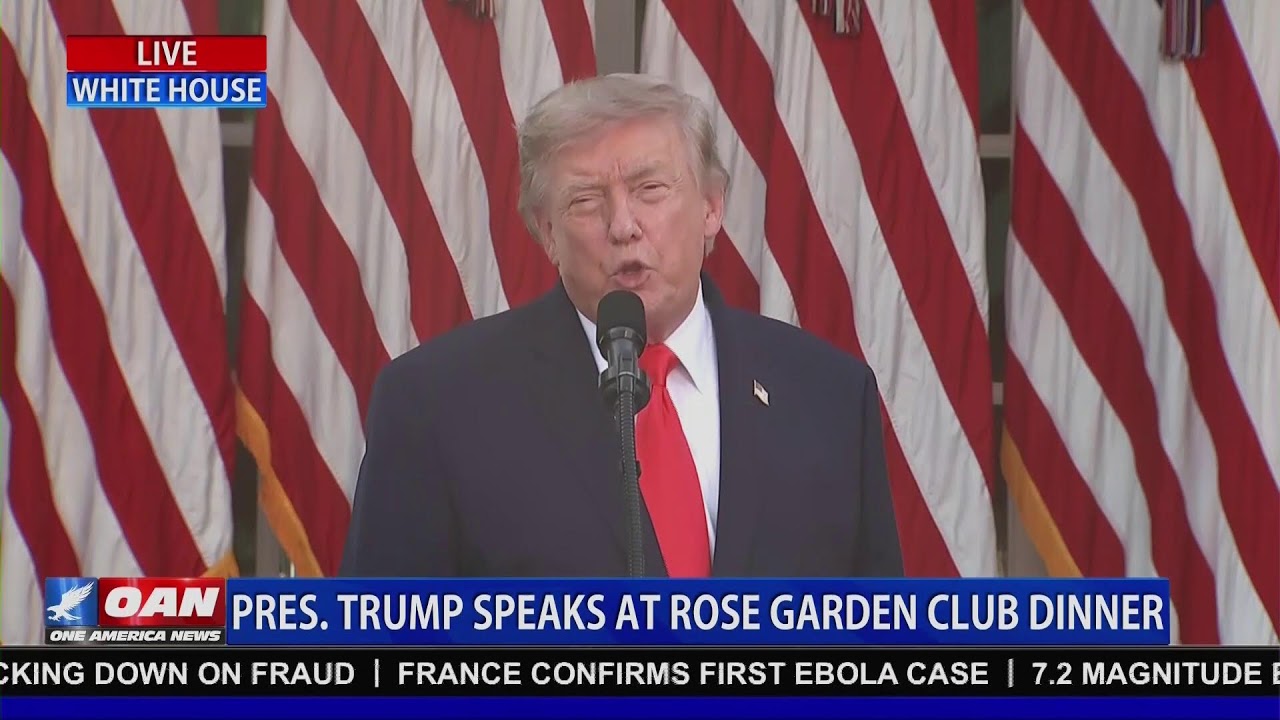
Orgo-Life the new way to the future Advertising by AdpathwayPresident Trump’s recent announcement regarding negotiations with Iran marks a pivotal moment in an ongoing diplomatic effort aimed at stabilizing the region. The United States plans to seize and destroy Iran’s nuclear material, signaling a push towards addressing longstanding tensions. Expected to culminate in a formal agreement over the weekend, this development could reopen the Strait of Hormuz, a vital passageway for global oil transportation.
This latest declaration highlights the intensity of diplomatic efforts from the Trump administration. “After the signage, the Strait of Hormuz will reopen,” Trump stated, emphasizing the importance of this step. The reopening is seen as crucial for alleviating the economic strains affecting the global marketplace due to recent conflicts and blockades.
The proposed Memorandum of Understanding (MOU) outlines strategies for extending a ceasefire for 60 days. This extension aims not only to reduce military tensions but also sets a framework for discussing Iran’s nuclear ambitions. A senior administration official noted that the plan includes the complete removal of Iran’s highly enriched uranium and the establishment of secure oil passages, free of tolls. This pivot could reshape how energy flow is facilitated in the region.
The Strait of Hormuz has historically been a flashpoint, accounting for nearly a third of the world’s maritime oil trade. The agreement’s success hinges on Iran’s willingness to clear mines and ensure safe passage, reciprocated by the lifting of U.S. blockades on Iranian ports. Such reciprocity remains critical in addressing the ongoing strife between the two countries.
According to reports, international mediators like Pakistan have played key roles in facilitating this agreement. Field Marshal Asim Munir’s hands-on approach with Iranian officials illustrates the commitment to dialogue. Trump’s consultations with leaders from the UAE and Israel have also been critical, particularly as tensions persist involving groups like Hezbollah.
At the heart of the agreement is Iran’s pressing economic situation. The prospect of reopening oil exports may ease some of the country’s financial burdens. While this could serve as a lifeline for Iran, it poses risks and challenges. Israel has raised alarms over how this arrangement might affect its security, particularly its ongoing tensions with Hezbollah. Israeli officials are involved in continued discussions with Trump, underscoring a commitment to ensure that any relief provided to Iran is matched by meaningful compliance.
The potential effects of the agreement are significant. Should oil flow through the Strait of Hormuz resume, it could stabilize global oil prices and provide economic relief to nations reliant on energy imports. Additionally, reducing military tensions may create a more stable regional environment, benefiting both local and global economies.
The implementation of this agreement is firmly rooted in clear guidelines and strict timelines. The expectation is that Iran will begin halting uranium enrichment indefinitely and eliminate its stockpile of enriched uranium within the specified 60-day window. To enforce these arrangements, international observers will monitor Iran’s compliance with the agreed terms.
Despite the cautious optimism surrounding these negotiations, skepticism lingers. Both Israeli and U.S. military forces are prepared to respond swiftly to any violation by Iran, suggesting the high stakes involved. The readiness of military forces serves as a reminder that while diplomacy unfolds, the potential for conflict remains, contingent on Iran’s adherence to the newly established terms.
President Trump’s shift towards engagement rather than confrontation reflects a strategic approach to resolving one of the world’s most complex geopolitical issues. With regional powers backing these discussions, the hope is for an outcome that benefits all parties. As the agreement approaches fruition, global observers eagerly await Tehran and Washington’s next moves, which could reshape Middle Eastern relations and influence energy market stability.
The eyes of the world remain fixed on the upcoming confirmations from this weekend. The potential success of this agreement may signify a fundamental change in U.S.-Iran relations, providing a path towards peace built on commitments to nuclear disarmament and economic cooperation.
"*" indicates required fields















.png)





.jpg)



 English (US) ·
  French (CA) ·