

 13 hours ago
6
13 hours ago
6
PROTECT YOUR DNA WITH QUANTUM TECHNOLOGY
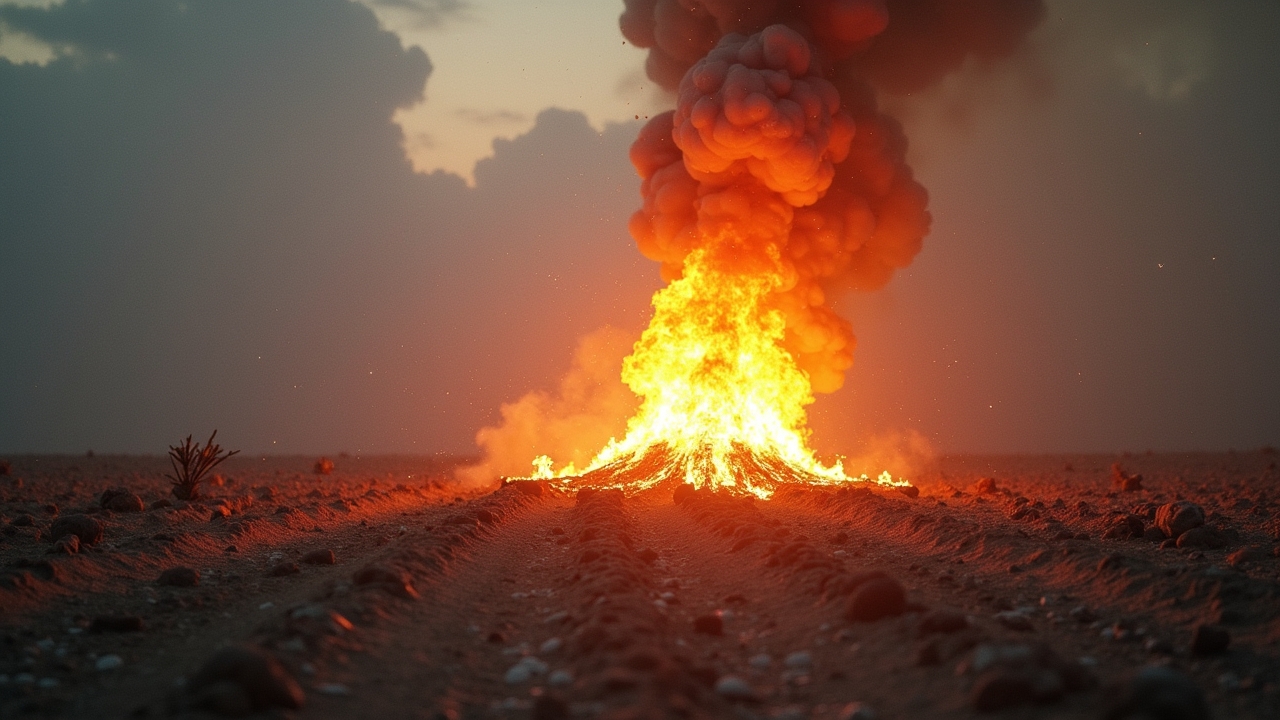
Orgo-Life the new way to the future Advertising by AdpathwayA recent incident involving a U.S. Army Apache helicopter has drawn attention in the military community and beyond. The chopper went down near the strategically important Strait of Hormuz on Monday, underscoring both the risks and the ongoing U.S. military presence in the region. Fortunately, the two crew members were rescued without injury. President Donald Trump confirmed the pilots’ well-being on Tuesday, stating emphatically, “The pilots are fine. Nobody injured.” He added that a report detailing the incident would follow, reflecting a level of transparency intended to reassure the public and military families alike.
The Strait of Hormuz is a crucial passage that sees a significant amount of oil traffic. Given the region’s volatility, any military incident can quickly escalate tensions. Trump’s emphasis on the pilots’ safety serves a dual purpose: it addresses immediate concerns while reaffirming U.S. military strength. His comments come against a backdrop of escalating activities involving Iranian forces and U.S. responses, reinforcing the notion that the U.S. remains vigilant in its operations to curb Iranian influence.
Further complicating matters, a recent release from U.S. Central Command (CENTCOM) detailed a successful operation against an oil tanker violating the ongoing blockade against Iran. The tanker, flagged under Palau, attempted to reach Iran’s shores but was intercepted by U.S. forces in the Gulf of Oman. An F/A-18 Super Hornet was deployed to disable the vessel after its crew ignored orders. This operation reflects the U.S. commitment to enforcing sanctions and maintaining pressure on Iran as part of broader regional strategies. CENTCOM stated, “U.S. forces disabled an unladen oil tanker in the Gulf of Oman… Marivex is no longer sailing to Iran.” Such decisive actions are integral to curtailing any Iranian attempts to gain economic advantages through maritime routes.
The blockade, initiated on April 13, has so far seen CENTCOM redirect 134 compliant vessels while allowing humanitarian aid ships to pass unhindered. However, the blockade has also resulted in the disabling of seven non-compliant vessels. This highlights the complexities of military and humanitarian operations in a region rife with geopolitical tensions. The ongoing efforts to curtail Iranian activities in international waters have heightened the U.S. military’s readiness, reinforcing its role in maintaining stability in the area.
The backdrop to these military maneuvers is Trump’s declaration of a commitment to achieving “total victory” over Iran. His administration’s approach indicates a willingness to adopt aggressive postures to minimize Iran’s capacity to threaten U.S. interests or its allies in the region. The recent developments summarize a tense but strategically significant landscape, where each incident can lead to wider implications in U.S.-Iran relations.
As tensions persist, the actions of CENTCOM and commanders will be crucial in ensuring that U.S. forces can operate effectively while also navigating the best paths for diplomatic and strategic outcomes. The recent helicopter incident, while resolved without loss, serves as a reminder of the ongoing risks involved in maintaining a robust military presence in such a lauded yet contested region.
"*" indicates required fields












.png)






.jpg)



 English (US) ·
  French (CA) ·