

.png) 3 hours ago
10
3 hours ago
10
PROTECT YOUR DNA WITH QUANTUM TECHNOLOGY
Orgo-Life the new way to the future Advertising by AdpathwayMost small businesses already know carbon accounting matters — the harder question is where to actually begin on a Monday morning with no dedicated sustainability team. A carbon accounting checklist for small businesses solves exactly that problem: instead of a theoretical framework, it gives you a sequence of concrete steps you can tick off, in order, with whatever data and time you currently have.
This checklist builds on the basics covered in our beginner’s guide to carbon accounting and is designed to be worked through over a few weeks, not finished in a single afternoon. Each step is something a founder, office manager, or finance lead can complete without specialist training.
Step 1: Define Your Boundary and Reporting Period
Before collecting a single number, decide what counts as “your business” for this exercise. Will the checklist cover one office, all locations, or a single business unit? Pick a reporting period — most businesses use a financial year — and stick to it. Without this boundary, it becomes impossible to compare one year’s emissions to the next, which defeats the purpose of measuring at all.
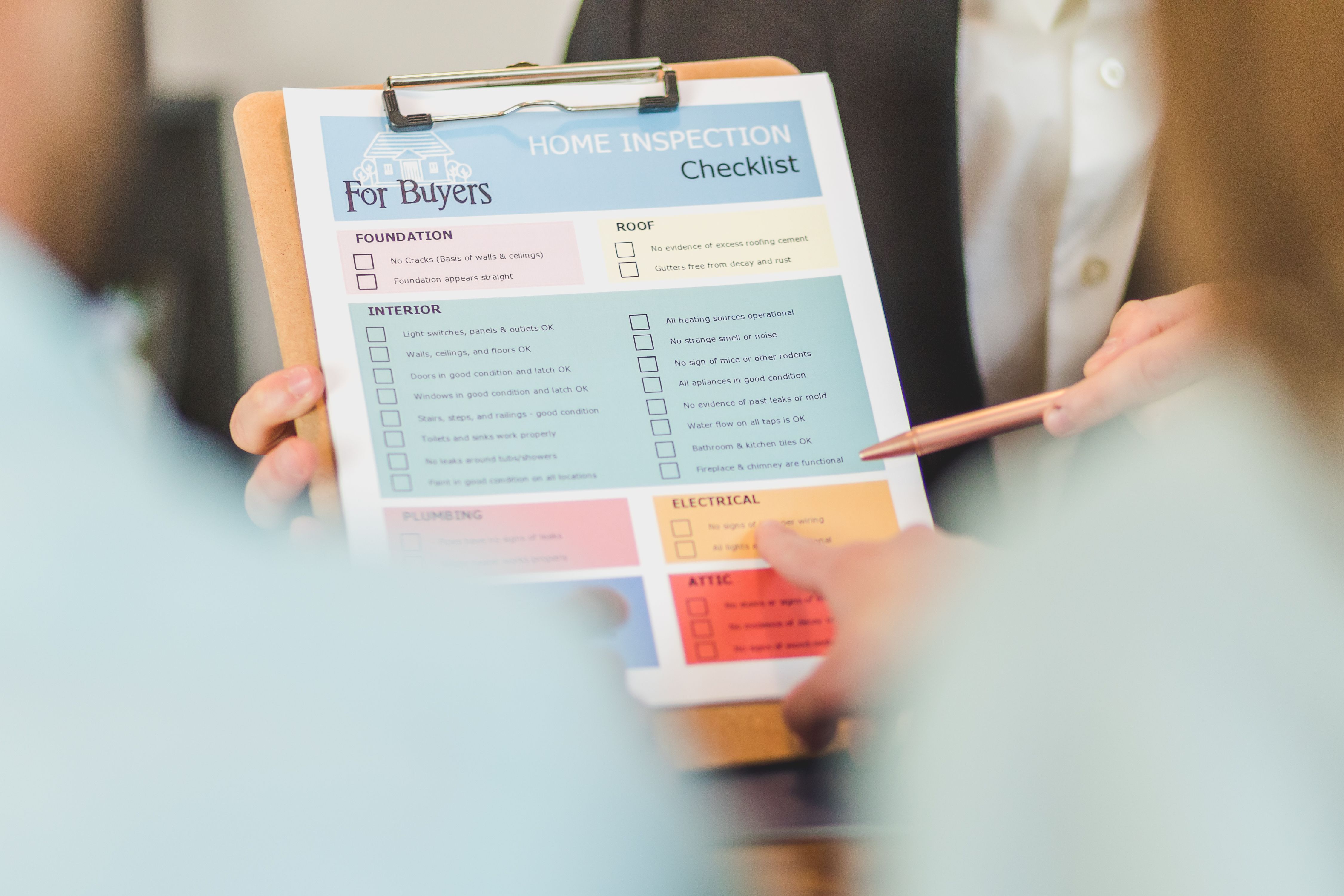 A clear, step-by-step checklist turns carbon accounting from an abstract idea into a doable weekly task.
Step 2: Gather Utility Bills, Fuel Receipts, and Travel Records
Pull together twelve months of electricity bills, any fuel purchase receipts for owned vehicles or generators, and travel expense claims for flights, trains, and cabs. If your business leases an office, ask the landlord or facility manager for shared utility data. None of this needs to be perfectly organised yet — the goal at this stage is simply to have the paperwork in one folder rather than scattered across departments.
Step 3: Sort Activity Data Into Scope 1, 2, and 3
Once the paperwork is collected, sort it under the three standard emissions categories: Scope 1 (fuel burned directly, such as company vehicles or backup generators), Scope 2 (purchased electricity), and Scope 3 (everything else — business travel, purchased goods, waste, and employee commuting). Most small businesses will find that Scope 2 and Scope 3 dominate their checklist, since few own large fleets or on-site fuel-burning equipment.
 Sorting bills and receipts by scope is the single most time-consuming — and most valuable — step on the checklist.
Step 4: Apply Emissions Factors to Each Category
With activity data sorted, convert each figure — litres of fuel, kilowatt-hours of electricity, kilometres travelled — into an estimated emissions figure using standard, published emissions factors. You do not need to build these factors yourself; government agencies and recognised sustainability bodies publish them precisely so businesses don’t have to start from scratch. This step turns a folder of receipts into a single, comparable number.
Step 5: Note What’s Missing and Set a Review Date
No first attempt will be complete, and that is fine. Write down which data points were estimated rather than measured, and which categories were skipped entirely due to missing records. Then set a date — ideally tied to your next financial year-end — to revisit the checklist and close those gaps. A carbon accounting checklist is not a one-time form; it is a habit that gets more accurate every time you repeat it.
Many of the sustainable changemakers featured on Prakati started with exactly this kind of simple, repeatable checklist rather than expensive software or outside consultants. If you are a small business looking for a place to start, working through these five steps once will tell you more about your carbon footprint than another month of waiting for the “right” tool ever will.















.png)






.jpg)



 English (US) ·
  French (CA) ·