

.png) 12 hours ago
13
12 hours ago
13
PROTECT YOUR DNA WITH QUANTUM TECHNOLOGY
Orgo-Life the new way to the future Advertising by AdpathwayThe climate crisis is coming for some of the world’s greatest surf breaks, submerging some as sea level rises and wiping out others as classic breaks get crushed against coastal developments.
Analysis of dozens of famous waves in world surfing reserves (WSR) found more than three-quarters were at high risk because of changing tide levels, hardened shorelines and shifting sands.
The impacts matter not only to the surfers catching the waves but also to the communities that depend on the multibillion-dollar surf economy, often located in places with little else.
The waves rated at most risk in the study include the “bombing barrels” of Croyde beach in north Devon, UK, the point breaks at Noosa in Australia and Oriente Salvaje, El Salvador, and Santa Cruz reefs of California such as Sewer Peak and Wind and Sea.
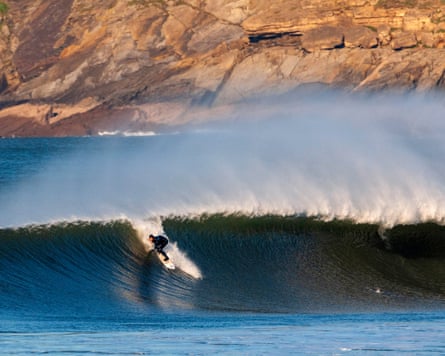
The best surfing waves are created by intricate combinations of sea-floor shape, swell direction and tide. “Surf breaks are incredibly unique oceanographic phenomena – a confluence of all these factors that fit together just right to make the wave happen – and so those processes are really sensitive,” said Dan Reineman, an associate professor at California State University Channel Islands and a co-author of the study.
Global heating is pushing up sea level and changing rainfall patterns that affect sediment movement, which can upset the delicate balance and destroy the wave. However, the researchers said the expert local knowledge of surfers could be tapped to help protect the waves.
Trent Hodges, a co-author of the study and a senior programmes manager at Save the Waves Coalition, which launched the WSR programme in 2009, said: “Climate change will impact surf breaks all over the world in different ways, depending on their unique geographies. We learned directly from the local surfers how they are seeing their waves change. It’s a canary in the coalmine too – when a wave changes, that often means the beach is changing, and everybody enjoys the beach.”
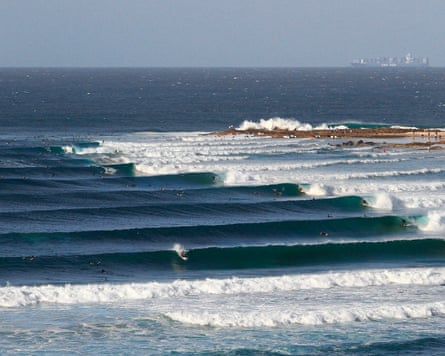
The study, published in the journal Climatic Change, concludes: “Climate change and coastal management both have significant negative implications for the future viability of multiple surf breaks of global significance and, therefore, the myriad distinct local communities, cultures and economies they support.”
Almost 200 local experts analysed 57 surf breaks in all but two of the 13 WSRs, spread across eight countries. The researchers said thousands of other surf waves around the world faced similar peril.
A key finding was that where coastlines were more natural, they could adapt better to the changes brought by the climate crisis, by shifting inland and relocating sediments. Development such as sea walls, jetties and groynes made the beaches and waves less resilient, Reineman said.
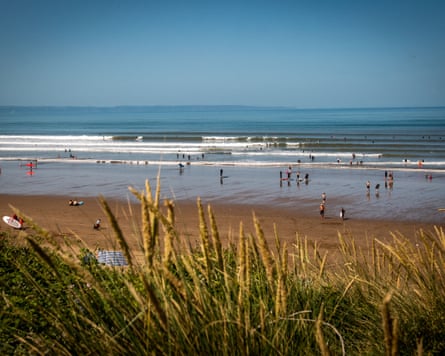
Adam Hall, a co-founder of the North Devon WSR, was one of the local surfers who contributed to the study. He said: “North Devon is so special. We have Saunton Sands, a world-renowned longboarding wave with really long, mellow rides, and the UK’s best beach break at Croyde. We’ve got left- and right-hand point breaks and a sheltered spot for when it gets too windy and too big. Whatever you want to do, we’ve got it.”
after newsletter promotion
He said surfing was very important for the local economy, and not just in summer. “Surfers will come throughout the year. They fill up the pubs, restaurants and car parks when the swells are good in January, February and March, where if you go to any other tourist destination that doesn’t have surf, they’re dead on their knees.”
The researchers want more local surfers to use the tools developed to assess their own breaks and work with local authorities and other groups to protect waves from coastal development and climate change.
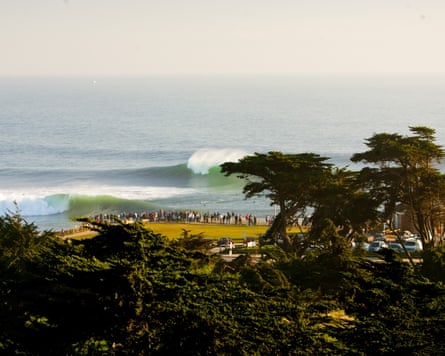
Some places already do this, such as the city of Gold Coast in Australia, which has put surf protection in planning law; New Zealand, which designates surf breaks of “national significance”; and Peru’s Ley de rompientes (law of the breakers) that protects listed surf breaks.
“Surfing is a huge driver of local economies,” Hodges said. “So whether you’re a surfer or not, that money supports local businesses, hotels, lodgings and so on.”
In Santa Cruz, surfing brings in about $200m (£151m) a year, he said.
“In the east of El Salvador, you have some of the most perfect point break waves you will find, and the entire economy there is pretty much dependent on surfing,” Hodges added.












.png)






.jpg)



 English (US) ·
  French (CA) ·