

 8 months ago
78
8 months ago
78
PROTECT YOUR DNA WITH QUANTUM TECHNOLOGY
Orgo-Life the new way to the future Advertising by Adpathway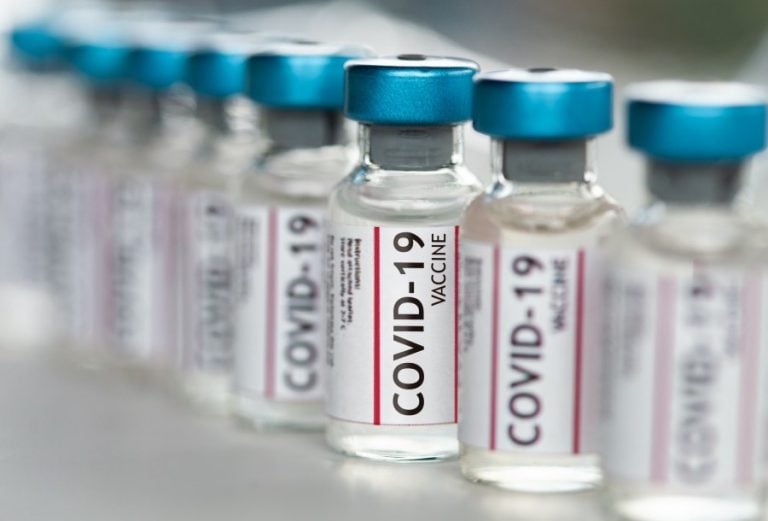
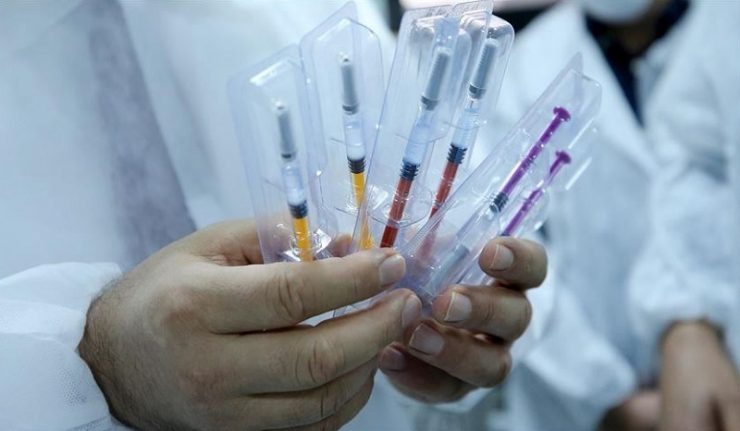
The Telegraph reported the Government is “withholding data that may link Covid jab to excess deaths”.
The UsForThem campaign group requested that UKHSA release data on Covid vaccines and deaths under FOI laws. But, surprise, surprise, the agency refused.
Publishing the data “could lead to misinformation”, really. Releasing the data would apparently lead to the “distress or anger” of bereaved relatives if a link were to be discovered. Also, it would “have an adverse impact on vaccine uptake” in the public – hmm. So what does it reveal then, or has the UKHSA already answered the question?
What is quite clear is that the UKHSA knows how to erode public trust. When vaccine safety or contract information is withheld – as the TTE office has found out – people may suspect wrongdoing or data manipulation, even if none exists. Trust in both public health institutions (such as the MHRA and UKHSA) is at an all-time low, and their current responses will likely lead to more vaccine ‘hesitancy’ and misinformation.
Transparency is often the antidote to conspiracy; secrecy has the opposite effect. Even Donald Trump has worked this out with the release of the Epstein Files.
When underlying vaccine data, such as anonymised adverse event datasets or efficacy trial information, aren’t shared, it prevents independent re-analysis and verification.
However, we shouldn’t be surprised when COVID-19 vaccine contracts are redacted or classified under ‘commercial sensitivity’ or FOI requests are refused. Why? Because they have already told us this will be the case.
The UKHSA’s Dynamic Purchase of Covid Vaccines informed the TTE office that Big Pharma tells the UKHSA what is sensitive, and that it will stonewall any FOI requests.
While privacy is vital, overly cautious anonymisation standards can result in data hoarding, restricting legitimate, low-risk academic or journalistic investigation.
The argument that individuals could be identified does not hold up, as it is relatively simple to prevent health data identification: by releasing redacted versions that remove any personal identifiers, aggregating or anonymising the data, or providing summary statistics that ensure no individual can be recognised.
The UK’s Scare Agency doesn’t come out of this episode well, being accused of a large-scale ‘cover-up’ due to its refusal to publish data that could link the Covid vaccine to excess deaths.
Protecting hypothetical privacy at the cost of real-world transparency and accountability can mean only one thing. It doesn’t want you to know the answer.
Read More: Does the UKHSA’s Refusal to Release Covid Vaccine Excess Deaths Data Give the Game Away?







.png)


.jpg)


 English (US) ·
  French (CA) ·