

.jpg) 1 day ago
9
1 day ago
9
PROTECT YOUR DNA WITH QUANTUM TECHNOLOGY
Orgo-Life the new way to the future Advertising by AdpathwayOur editors curate highly rated brands that are first assessed by our rigorous ratings system. Buying through our links may earn us a commission—supporting the work we do. Learn more.
How ethical is Louis Vuitton, one of the world’s biggest luxury clothing and accessories brands? Unfortunately, our reviews show the brand has consistently fallen short in sustainability for years now. Louis Vuitton’s recent spring/summer ’27 runway show, which featured a giant fake waterfall in the midst of a climate crisis-induced heatwave, only emphasises the brand’s indifference to this very real global issue.
This article is based on the Louis Vuitton rating published in January 2026 and may not reflect claims the brand has made since then. Our ratings analysts are constantly rerating the thousands of brands you can check on our directory.
Is Louis Vuitton addressing its impact on people, the planet, and animals?
Since its inception in 1854, Louis Vuitton has been synonymous with luxury, crafting iconic handbags and accessories that have become status symbols worldwide. Founded in Paris by the visionary trunk-maker Louis Vuitton, the brand’s signature monogram and commitment to craftsmanship have defined fashion for over a century.
The appointment in 2018 of the late Virgil Abloh as Louis Vuitton’s artistic director of menswear shook up the 164-year-old French fashion house, as well as the whole fashion industry. The appointment late American designer, DJ, and stylist was seen as democratising luxury fashion, bringing youth culture to an elite brand, and paving the way for more exciting designers to join the house, like Pharrell Williams in 2023, who remains as creative director today. Williams’ conceptual runway presentations have made headlines, not least the most recent spring/summer ’27 show, which featured a giant fake waterfall in the midst of some of Paris’ hottest days on record. The brand claimed that all the water used was taken from and returned to the city’s water supply as part of a closed-loop system, but the spectacle demonstrated Louis Vuitton’s ongoing tone-deaf approach to the climate crisis.
With that, then, is Louis Vuitton doing when it comes to its impact on people, the planet, and animals? Are the brand’s sustainable practices as modern as its artistic vision? In short, how ethical is Louis Vuitton?
Environmental impact
Luxury label Louis Vuitton rates “It’s a Start” for the planet, an improvement from its past “Not Good Enough” rating. While it’s set a science based target to reduce greenhouse gas emissions in both its direct operations and supply chain and claims it’s on track, we’d like to see solid evidence of this. Its claims about using Leather Working Group certified tanneries also lack specifics and further details about the certifications. The brand uses some lower-impact materials and recycles some of its offcuts to minimise textile waste, but none of this is going far enough.
Louis Vuitton has taken a few positive steps in the right direction but it needs to put more work into its transparency and impact reduction to improve further.
Labour conditions
Unfortunately, the brand has not improved on the labour front and still scores “Not Good Enough” for its treatment of workers across the supply chain.
Sadly, none of its supply chain is certified by crucial labour standards that help ensure worker health and safety and other rights. There is no evidence Louis Vuitton ensures payment of a living wage in any part of its supply chain, provides financial security to its suppliers, or that it implements practices to support diversity and inclusion. And while the brand claims to audit some of its supply chain, we found nothing to state what percentage, nor does it publish a breakdown of its suppliers’ locations.
The theme here is a lack of specificity and vagueness. Why can’t Louis Vuitton tell us where its suppliers are? And why hasn’t it, at the very least, looked into adopting credible definitions of a living wage from industry bodies like the Asia Floor Wage Alliance? Louis Vuitton has so much financial and influential power that there is no excuse for coming up short in labour justice. People are the backbone of the fashion industry, after all.
Animal welfare
Louis Vuitton is “Not Good Enough” for animals. It has a basic formal policy to protect animal welfare, but the policy doesn’t align with the Five Domains of Animal Welfare, which is disappointing, especially as such a large portion of its business relies on leather goods.
Louis Vuitton uses leather, wool, down, angora, exotic animal hair, and exotic animal skin. Some of these materials are from certified or recycled sources as alternatives to conventional wool, cashmere, and down, but the brand needs to do much more in this area. It also continues to use fur while many other prominent luxury brands adjacent to the French retailer have woken up to ethical issues with this cruel material and banned it, including Gucci, Burberry, and Coach. And in 2020, the brand issued claims that 100% of the animals used for its products are “humanely farmed”, but PETA quickly shut this down, explaining that the exotic skins industry could never be considered humane. Such a blatant disregard for the wellbeing of the sentient creatures we share the planet with is outdated, and with so many vegan fabric innovations out there, using them in such a way simply isn’t necessary any more.
Overall rating: ‘Not Good Enough’
Louis Vuitton is rated “Not Good Enough” overall based on information from the research done by our team at Good On You. This rating hasn’t improved since our previous assessment of the brand, which shows that Louis Vuitton has done little to improve its transparency, and isn’t doing anywhere near enough to address the impact that its practices have on people, the planet, and animals in order to meet the expectations of a new generation of fashion lovers.
Note that Good On You ratings consider hundreds of issues, and it is not possible to list every relevant issue in a summary of the brand’s performance. For more information, see our How We Rate page and our FAQs.
Good swaps
“Good” and “Great” alternatives to Louis Vuitton, including top-rated luxury brands making bags and accessories, and stylish ready-to-wear clothes for men and women.
HYER GOODS
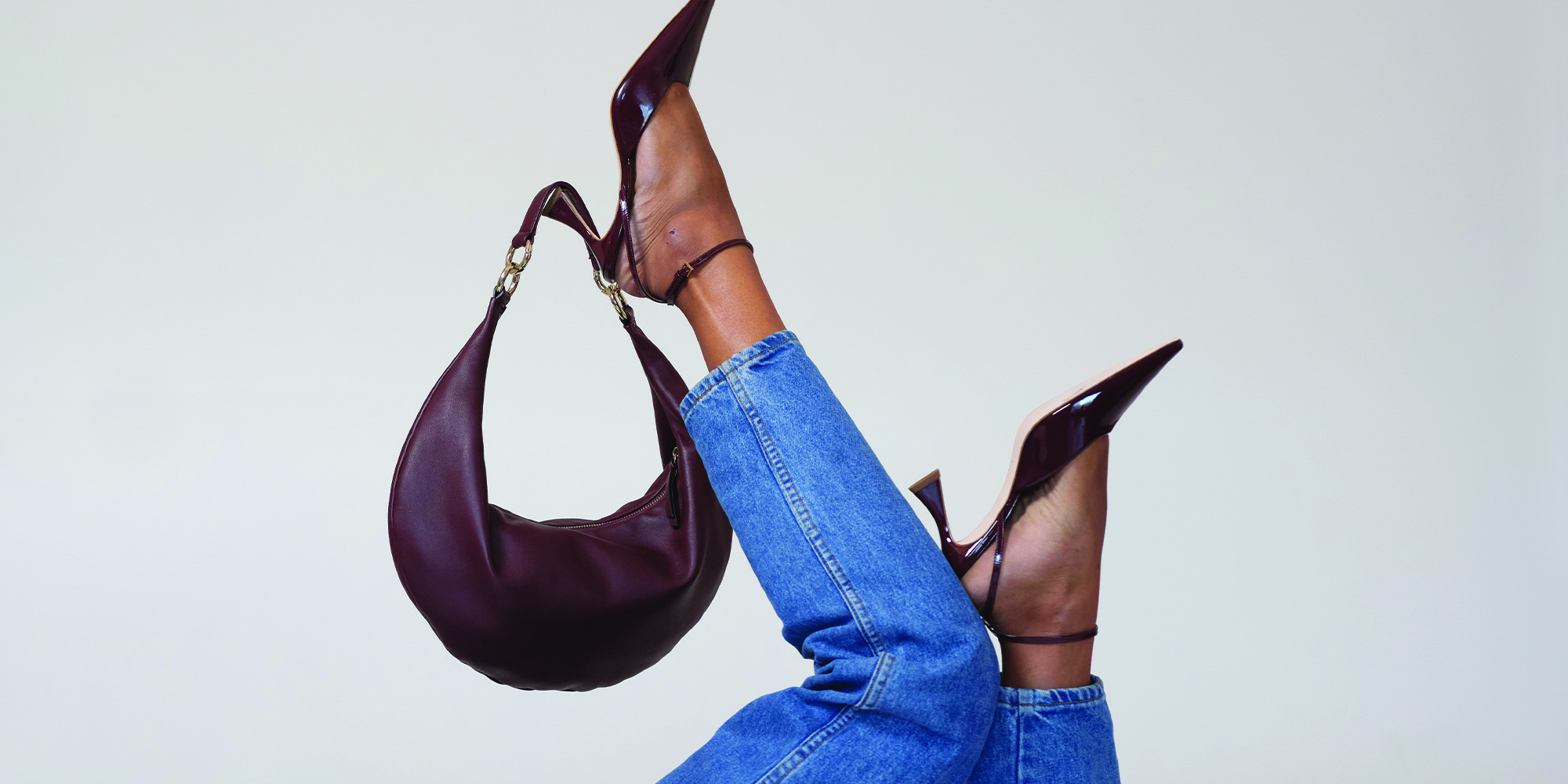
HYER GOODS is an NY-based, leather goods label that curates handmade products including handbags, wallets, and accessories. By upcycling “trash” it eliminates the massive energy footprint needed to cultivate land, livestock, crops, and fertilisers, while simultaneously reducing the amount of waste being sent to landfill. Less energy and less pollution mean fewer greenhouse gases.
Akyn
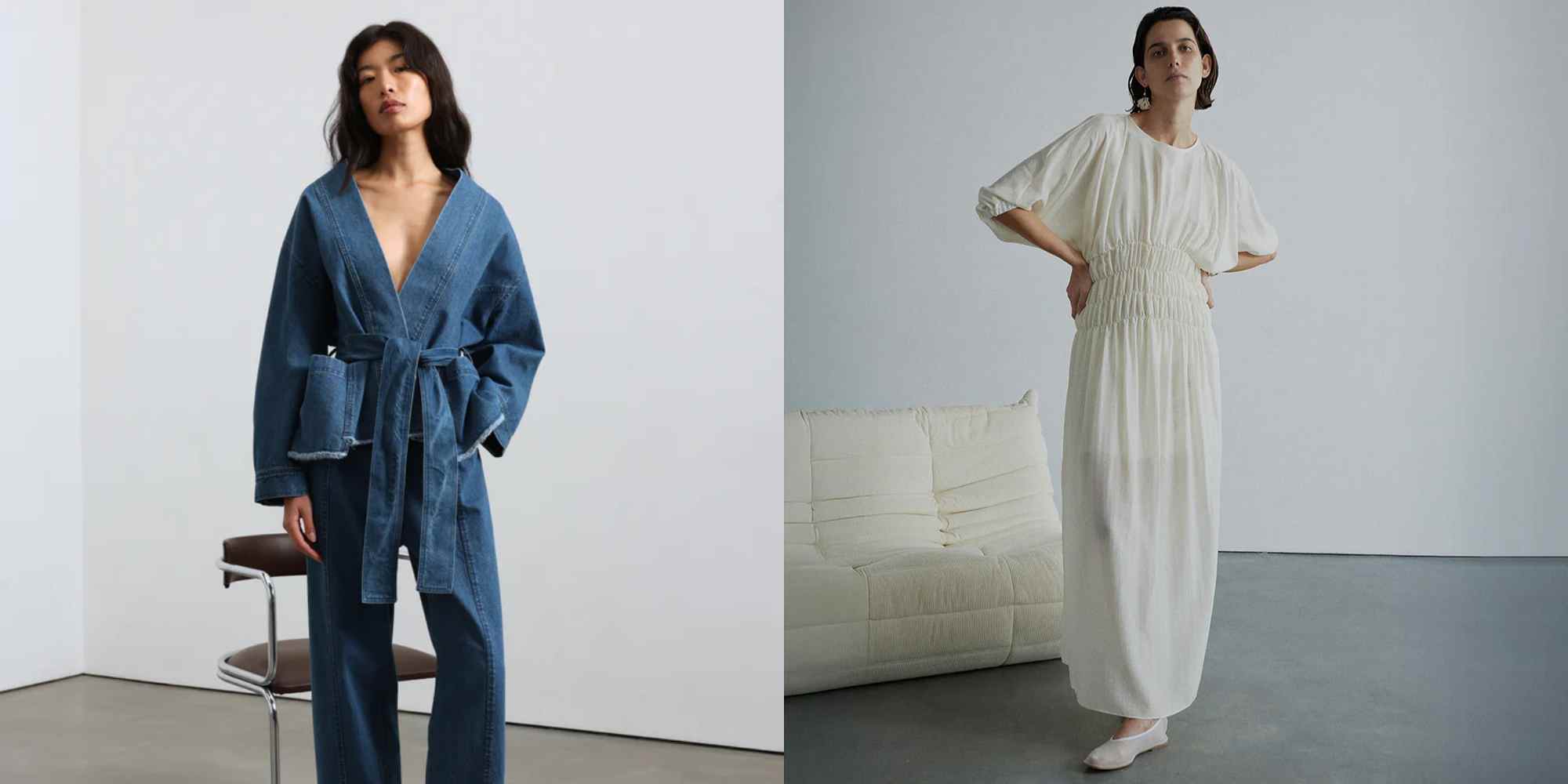
Founded by sustainable fashion industry legend Amy Powney, Akyn makes contemporary and timeless womenswear using lower impact materials.
Mashu

Mashu is a British more sustainable vegan accessories label specialising in handbags. Mashu’s environmental rating is “Good”, crafting its exterior with vegan leather alternatives while its interiors feature vegan suede made from recycled polyester, ensuring you never have to sacrifice your morals for style again.
ESSĒN
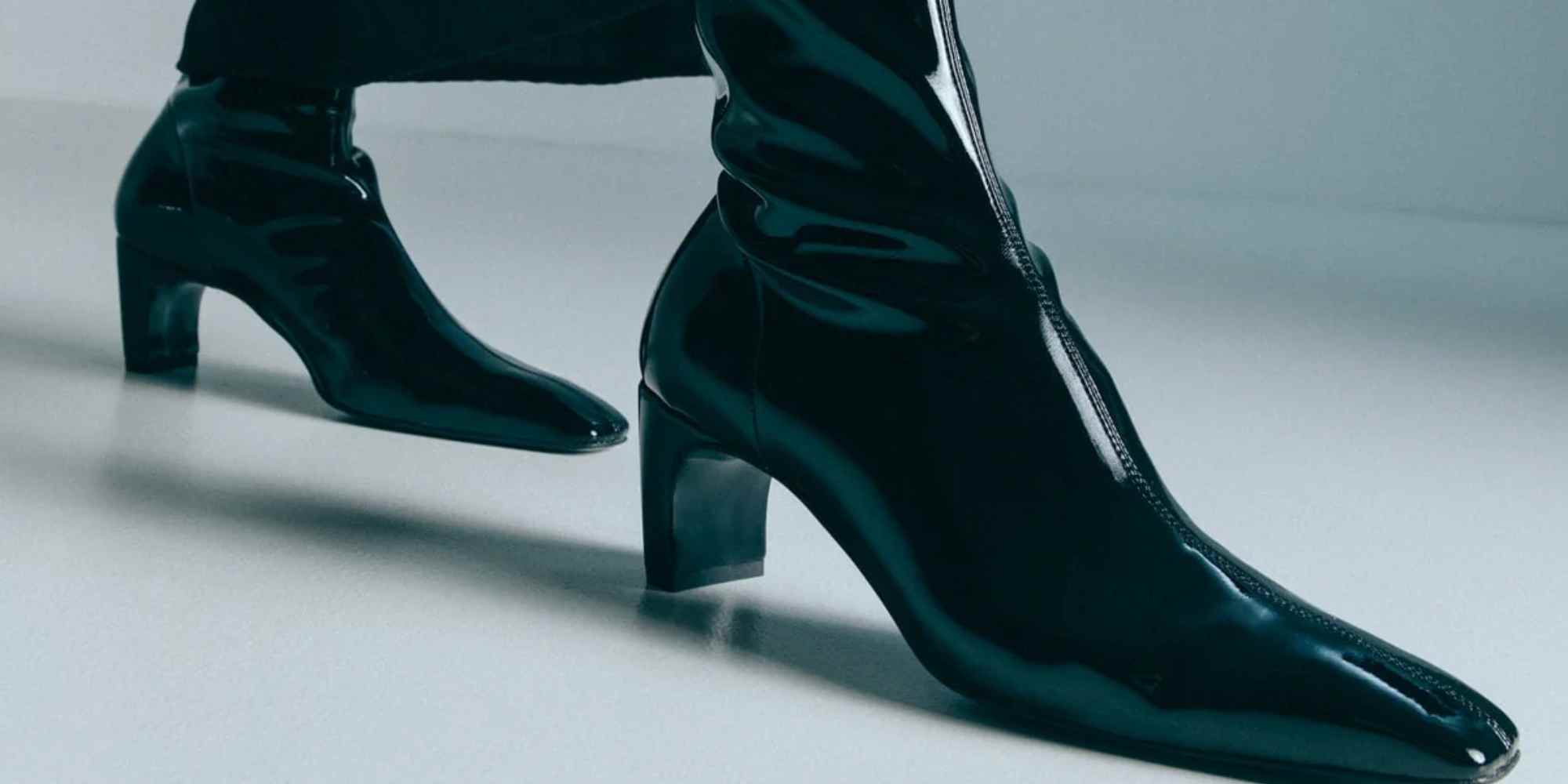
“I founded ESSĒN in 2016 as a response to a fashion cycle that overproduces more than it carefully crafts, chases trends more than it determines classics, and wastes more than it sustains,” says founder Marre Muijs. The shoes and accessories brand, which limits its production runs and uses low-waste cutting techniques, eschews the fashion calendar in favour of a single, permanent collection.
Sans Beast
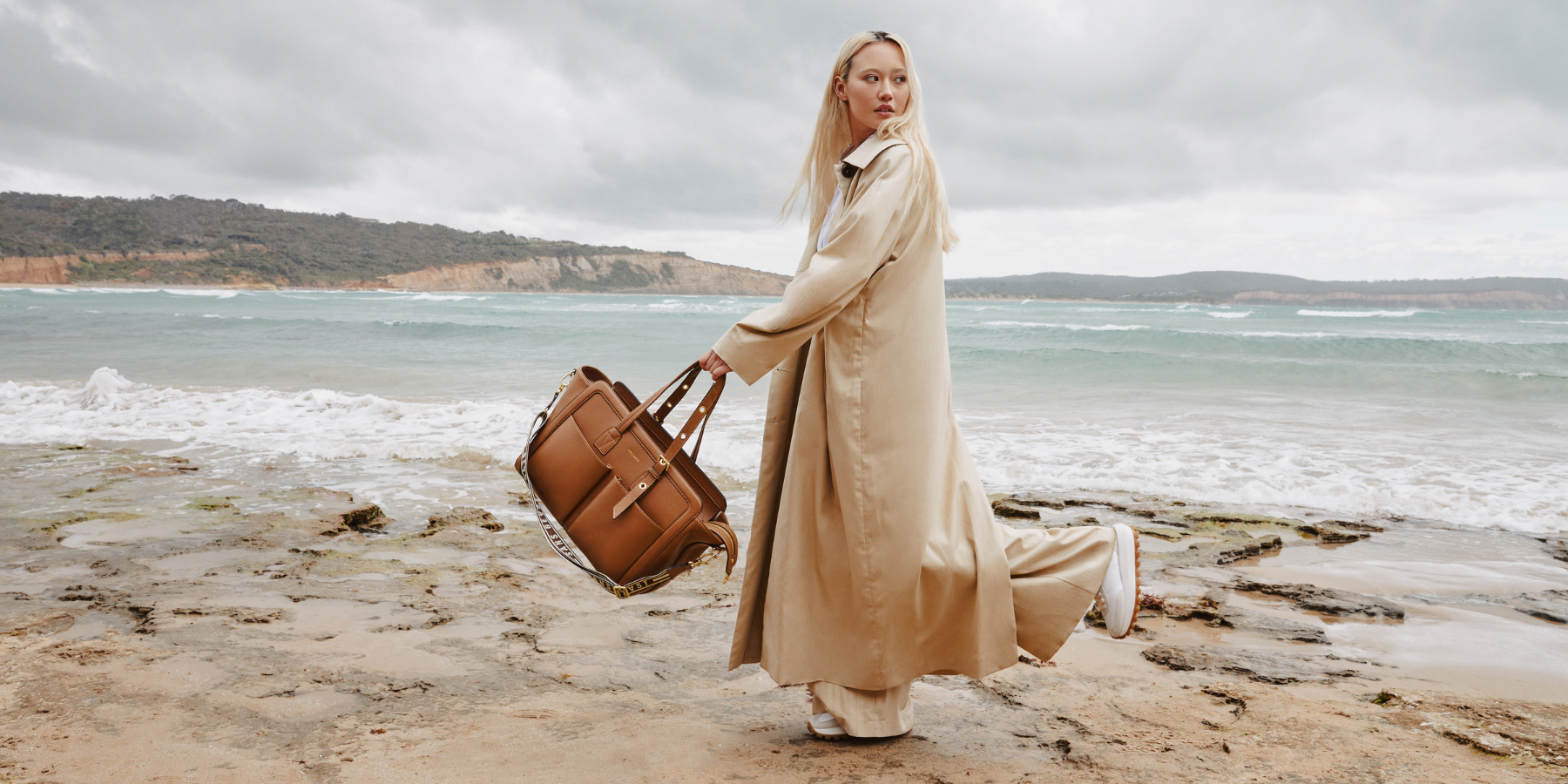
Founded in 2018 with the sole purpose of delivering pieces that had beauty without the beast, Sans Beast is an Australian accessories brand creating luxury vegan bags and accessories entirely cruelty-free. They are particular about their sourcing, using materials like Global Recycled Standard certified materials, and innovative plant-based leathers made from cactus and apple.
WE-AR4
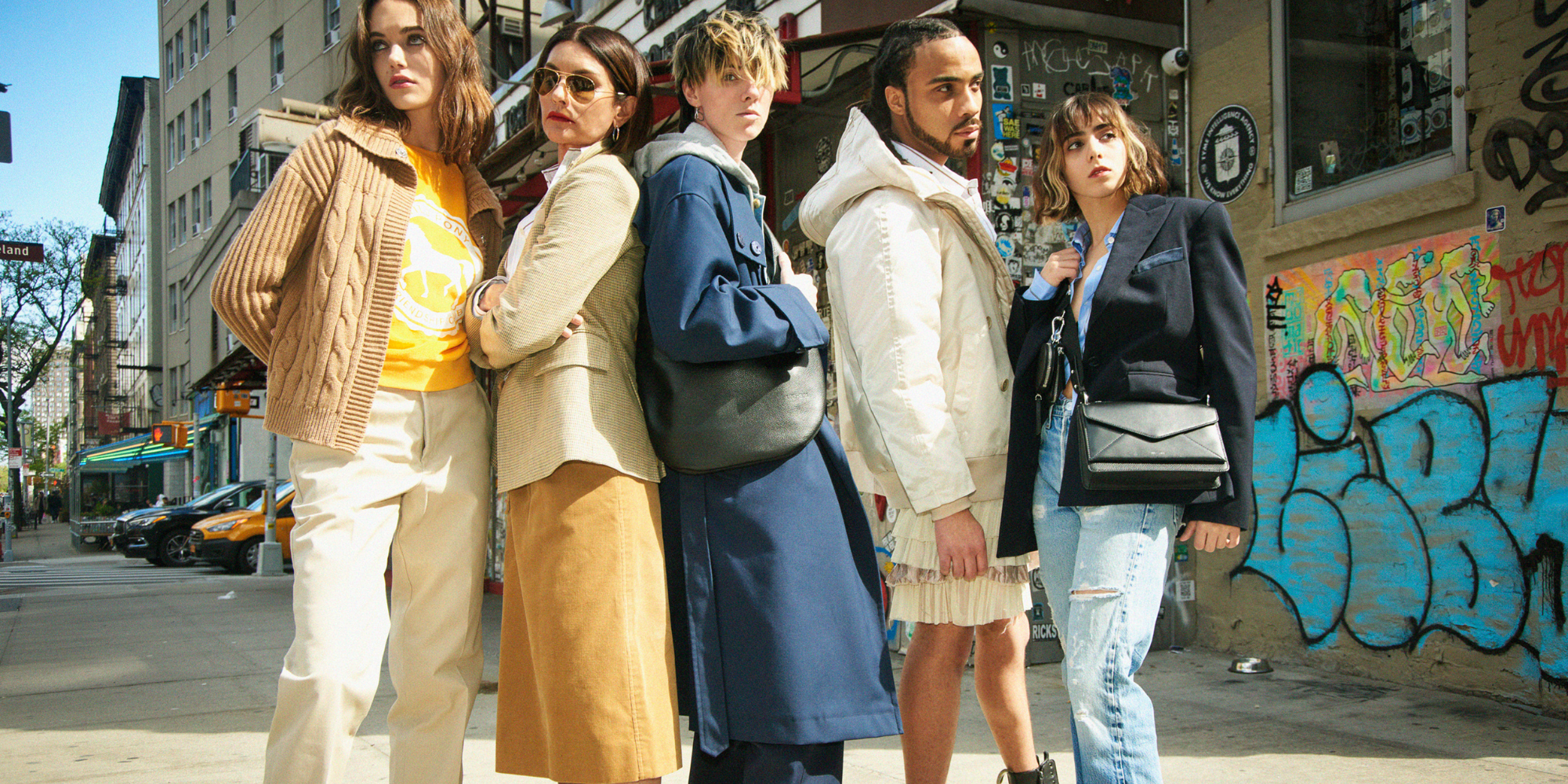
WE-AR4 is a US based design-to-wear essentials brand for an effortless style. Founded by fashion industry veterans, it merges intelligent design and uncompromising style. Rather than developing new materials, it rescues existing ones, choosing to “thrift” high-quality leathers and luxury textiles left over from other brands, giving them new life, and uses certified lower-impact materials.
Find the range in sizes XS-L.
SANTICLER
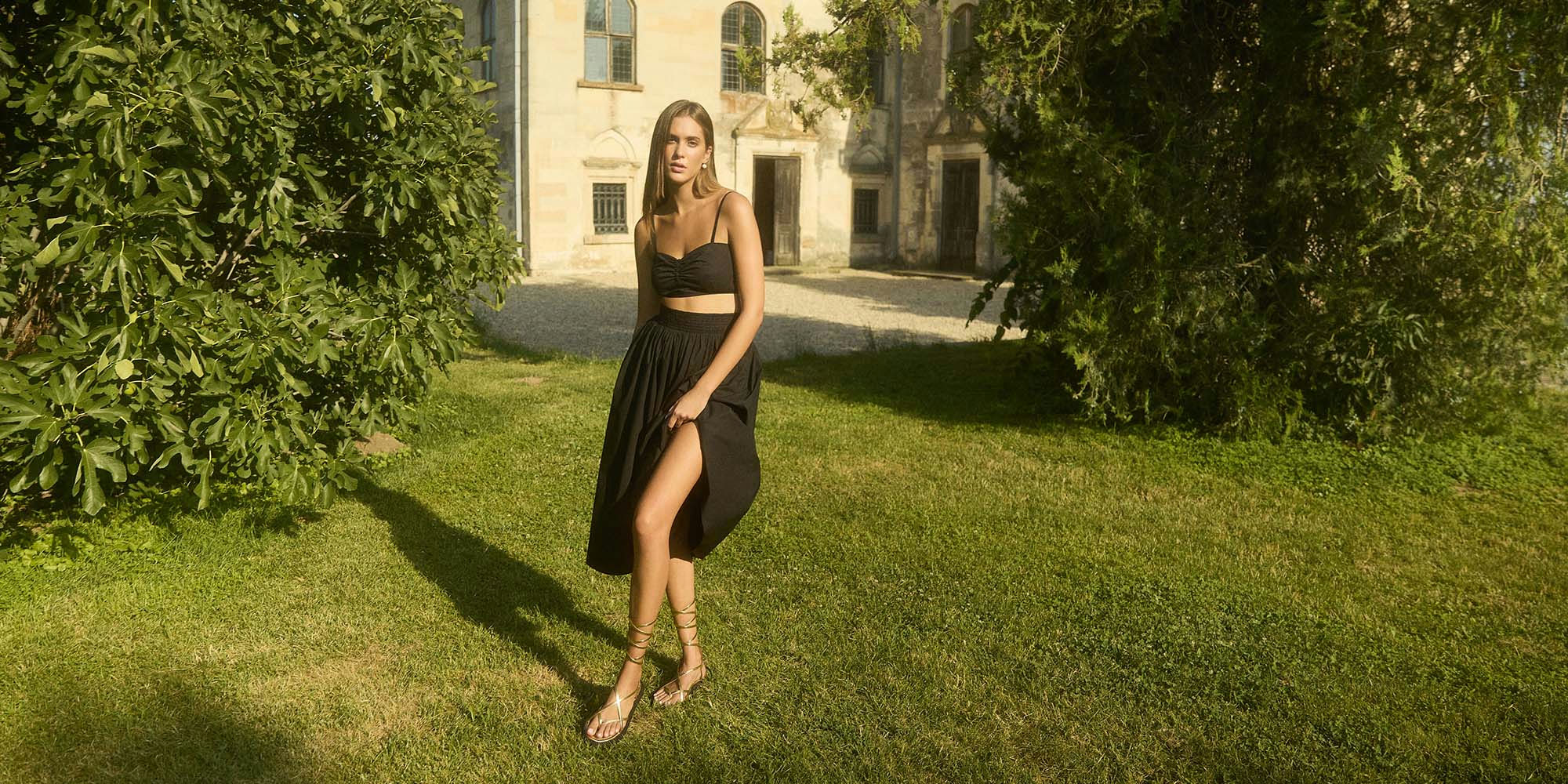
SANTICLER is an US-based label that offers timeless collectors pieces curating modern silhouettes in womenswear. Founded by an early advocate of slow fashion and sustainability, its collections are designed and produced with intention to reduce waste, using more lower-impact materials such as GOTS-certified cotton and responsibly sourced wool.
Find most items offered in sizes XS-L.
Artknit Studios
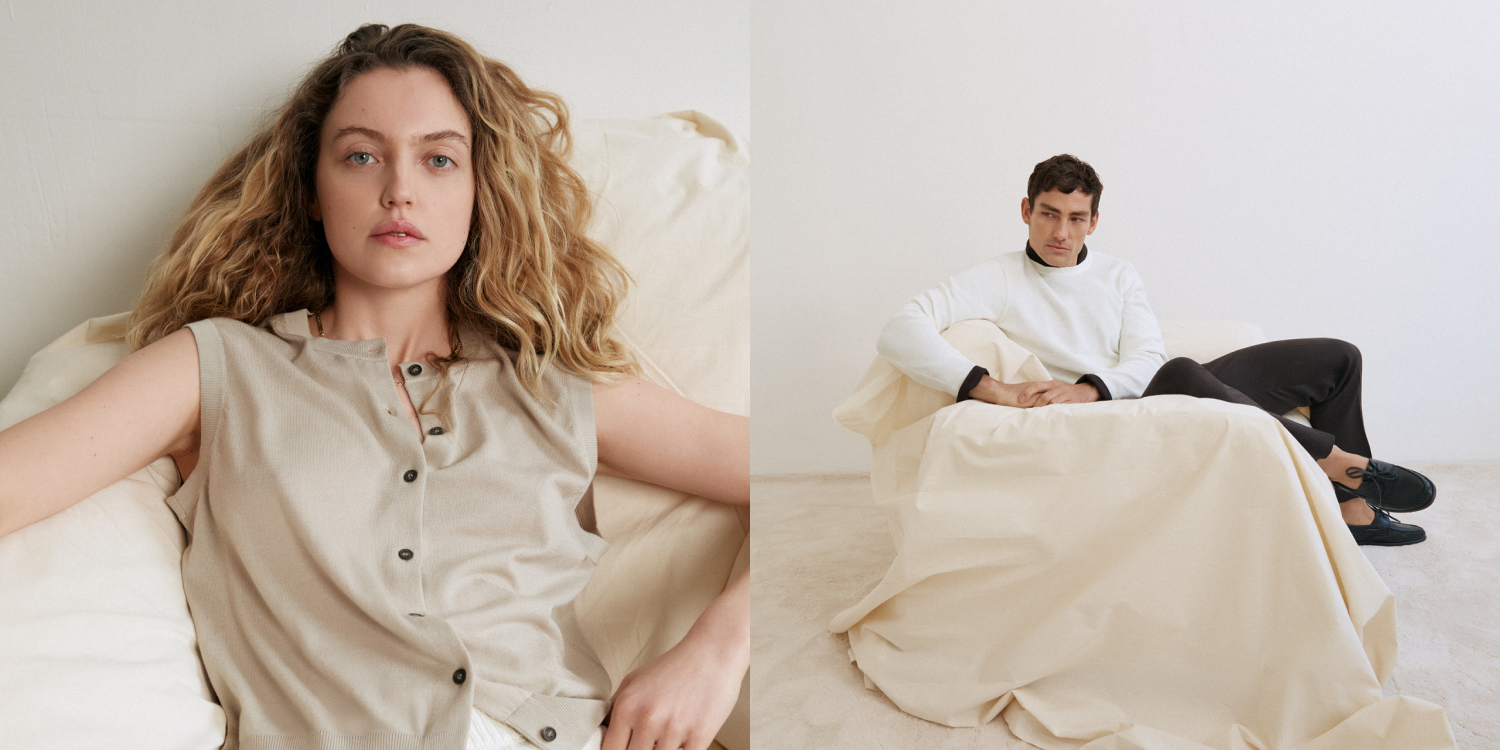
Artknit Studios creates timeless knitwear in 100% lower-impact materials, made responsibly by Italian makers. Its partners are committed to anti-waste practices using only certified and locally-sourced fibres, true to the brand’s motto of “buy less, buy better”.
Find items offered in sizes XS-XXL.
FUTURA Jewelry
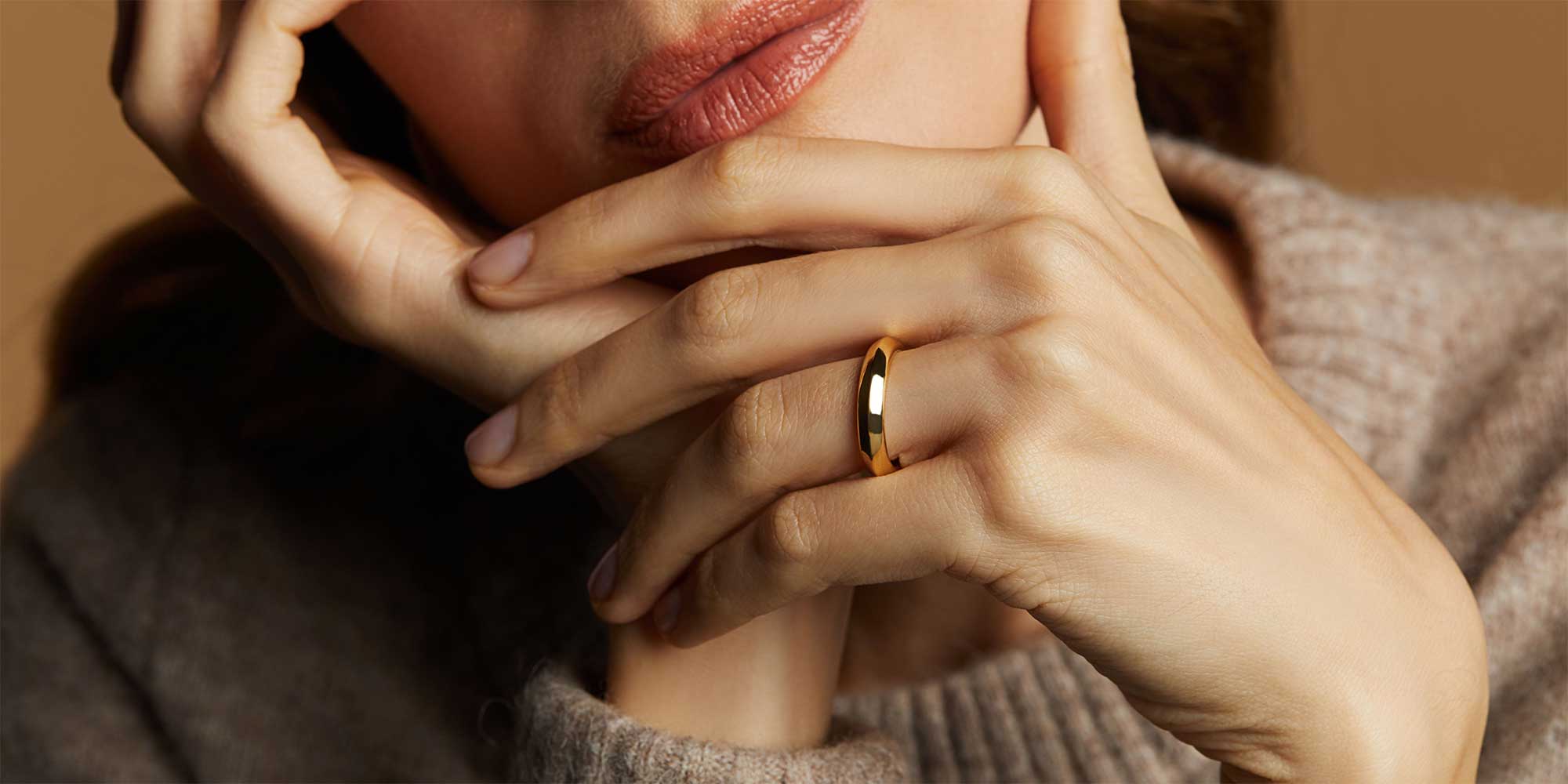
FUTURA Jewelry is a New York based responsible jewellery brand. Each piece of FUTURA Jewelry is handcrafted with mercury-free 18kt Certified Fairmined Ecological gold. The brand’s gold comes from the three certified Fairmined mines in the world that mine for gold without the use of toxic chemicals including mercury and cyanide.
maison blanche
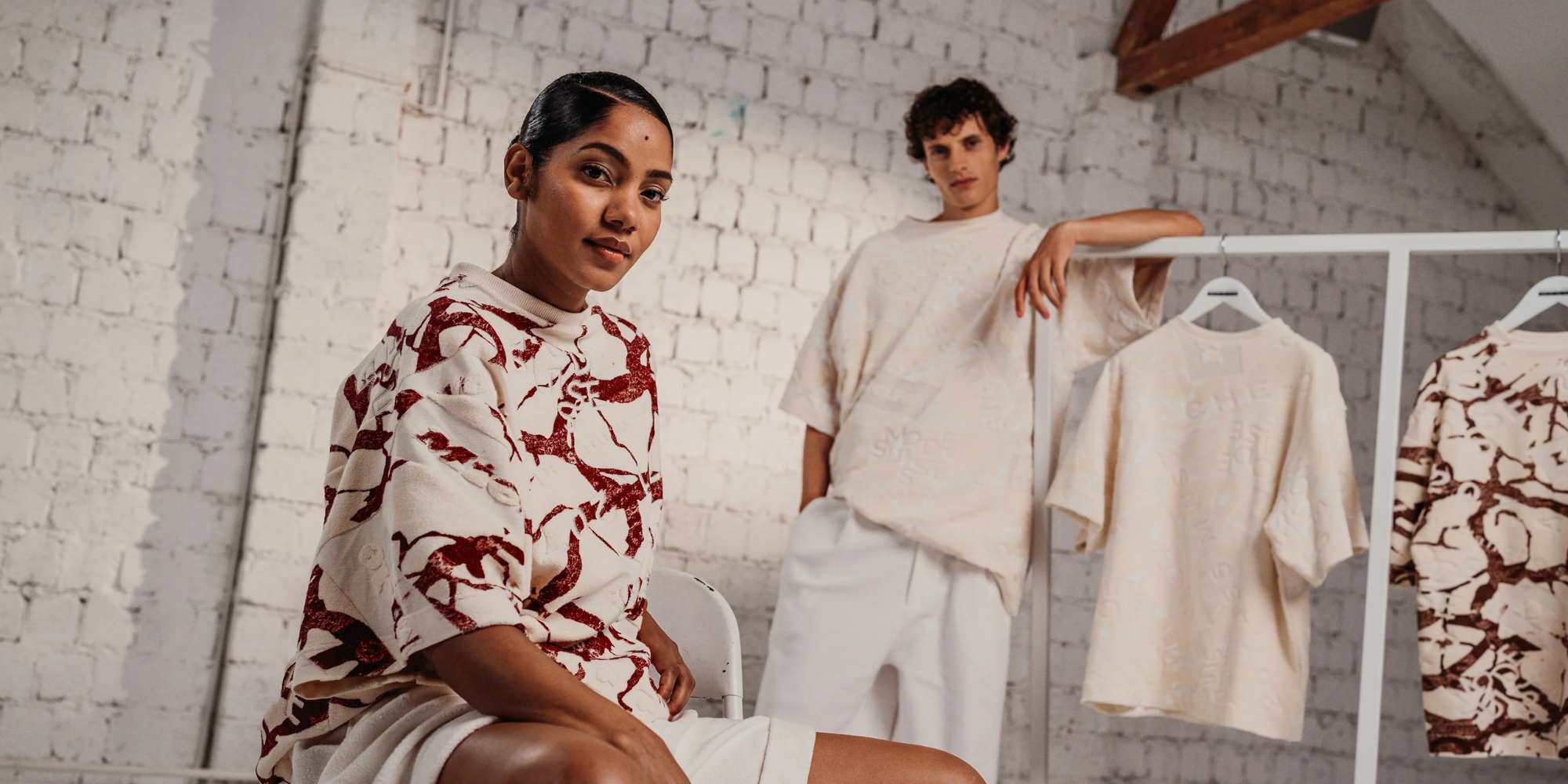
maison blanche is a Swiss label that produces vegan, conceptual fashion and raises awareness of socio-political issues.
Editor's note
Good On You publishes the world’s most comprehensive ratings of fashion brands’ impact on people, the planet, and animals. Use our directory to search thousands of rated brands.
We updated this article on 1 July 2026: Our editors frequently make updates to articles to ensure they’re up to date. We updated the copy to reflect the most recent rating review, and the brands featured.








.png)


.jpg)


 English (US) ·
  French (CA) ·