

 2 weeks ago
23
2 weeks ago
23
PROTECT YOUR DNA WITH QUANTUM TECHNOLOGY
Orgo-Life the new way to the future Advertising by AdpathwayThe Department of Justice’s lawsuit against Virginia marks a significant legal confrontation over state laws that the federal government views as obstructive to immigration enforcement. Filed on Thursday, the lawsuit challenges two recent laws that impose restrictions on federal law enforcement officers, particularly those within ICE. These laws, Senate Bill 352 and Senate Bill 783, were signed by Governor Abigail Spanberger and are scheduled to take effect on July 1.
Senate Bill 352 prohibits law enforcement officers from wearing masks while on duty and requires them to display identifying information. The DOJ sees this as a direct violation of the Supremacy Clause of the Constitution, which ensures federal laws take precedence over state laws. The Justice Department argues that these measures not only jeopardize the safety of federal agents but also hamper their operational effectiveness. “Recklessly disregards officers’ safety, public safety, and Federal operational needs,” the lawsuit states, emphasizing the risks of doxxing and harassment that federal officers face under these restrictions.
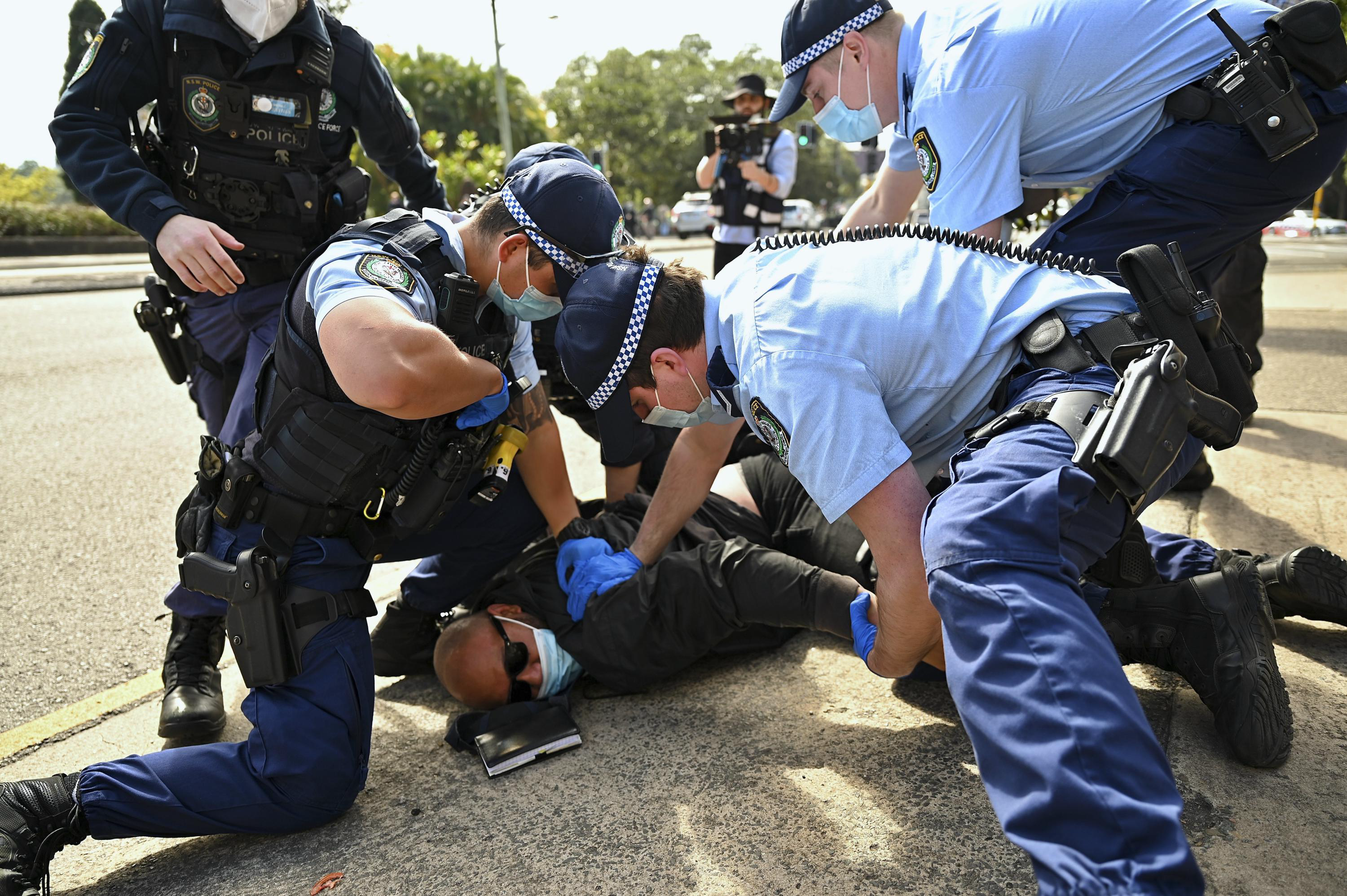
This mask ban poses serious challenges for agents carrying out their responsibilities against a backdrop of heightened threats. The limited exceptions for undercover operations do not provide enough protection, leaving many federal officers vulnerable while enforcing immigration laws. The DOJ’s concerns are underscored by the reality of increased violence and intimidation against law enforcement officials, particularly those in immigration roles.
On the other hand, Senate Bill 783 restricts the ability of state and local police to cooperate with ICE through Section 287(g) agreements. These agreements allow local law enforcement to assist in immigration enforcement, which the DOJ argues is essential for effective federal operations. By limiting these partnerships, Virginia challenges the federal government’s authority in immigration matters, further complicating an already contentious issue.
Acting Attorney General Todd Blanche’s statement was pointed: “Law enforcement officers risk their lives every day to keep Americans safe, and they do not deserve to be doxed or harassed simply for carrying out their duties.” His remarks reflect a conviction that these state policies intentionally create risks for federal agents. This lawsuit positions the Justice Department as a defender of law enforcement, asserting that state initiatives should not undermine federal responsibilities and safety.
Virginia Attorney General Jay Jones offered a counter-narrative, reaffirming the state’s commitment to community safety and the need for transparency in law enforcement. However, this assertion contrasts with the federal perspective that prioritizes the needs and safety of federal agents operating in Virginia. Governor Spanberger framed the new laws as necessary for accountability, arguing that masked law enforcement undercuts public trust. Yet, the DOJ firmly contests this viewpoint, suggesting that genuine accountability should not infringe on the safety and effectiveness of federal officers.
Ultimately, this legal battle not only centers on the specifics of these two laws but also reflects broader tensions between state and federal authority over immigration enforcement. Blanche’s directive for the Civil Division to seek out similar laws across the nation indicates that this lawsuit could be part of a larger strategy to combat state-level legislation seen as an overreach into federal jurisdiction. This legal conflict highlights the continuing struggle over how immigration law is enforced in the United States, especially in an era marked by fierce debates over border security and law enforcement’s role in upholding federal policies.
Virginia’s position and the DOJ’s response encapsulate the volatile interplay between state measures aimed at reform and federal efforts to maintain control over immigration enforcement. As these proceedings unfold, they are likely to bring further scrutiny to similar laws across the country and may set critical precedents for federal and state relations moving forward.
"*" indicates required fields











.png)






.jpg)



 English (US) ·
  French (CA) ·