

Staff writer Chali Pittman handles much of Isthmus’ electoral coverage, whether she is reporting on the mayor’s race or the gubernatorial contest underway between Republican Tom Tiffany and Democrat David Crowley (see her story, page 16). Her practice for all campaigns is to sign up for media emails as well as communications sent to supporters. In early September she received a Tiffany campaign invite to an event at Milford Hills, a hunting club in Johnson Creek.
Chali emailed the campaign to say she planned to attend the event, and had no problem getting into the club. She took photos, talked to supporters, got to hear former Gov. Tommy Thompson rally the crowd and saw Tiffany, a U.S. congressman, in action. As a result, she was able to describe the scene for readers and report on the policy priorities of Tiffany. She also saw firsthand the partisan divide and distrust some voters have in our election system. “They’re going to play dirty,” one supporter yelled out in reference to Democrats in Madison and Milwaukee.
Chali followed the same playbook when she learned that Crowley, Milwaukee County executive, would be at LaborFest in Madison. She emailed the campaign to say that she would be attending and that she’d like to have a few minutes with the candidate. Being at the event allowed Chali to observe Crowley’s skill at “working a room,” and to talk with him a bit about his background and platform.
This kind of boots-on-the-ground reporting provides the best chance of getting a window into voter concerns and priorities and an unvarnished view of a candidate. Many voters will never meet the candidates in person, or attend an event themselves, and this year there will be almost no opportunity to see the candidates go head-to-head — there will be just one televised debate.
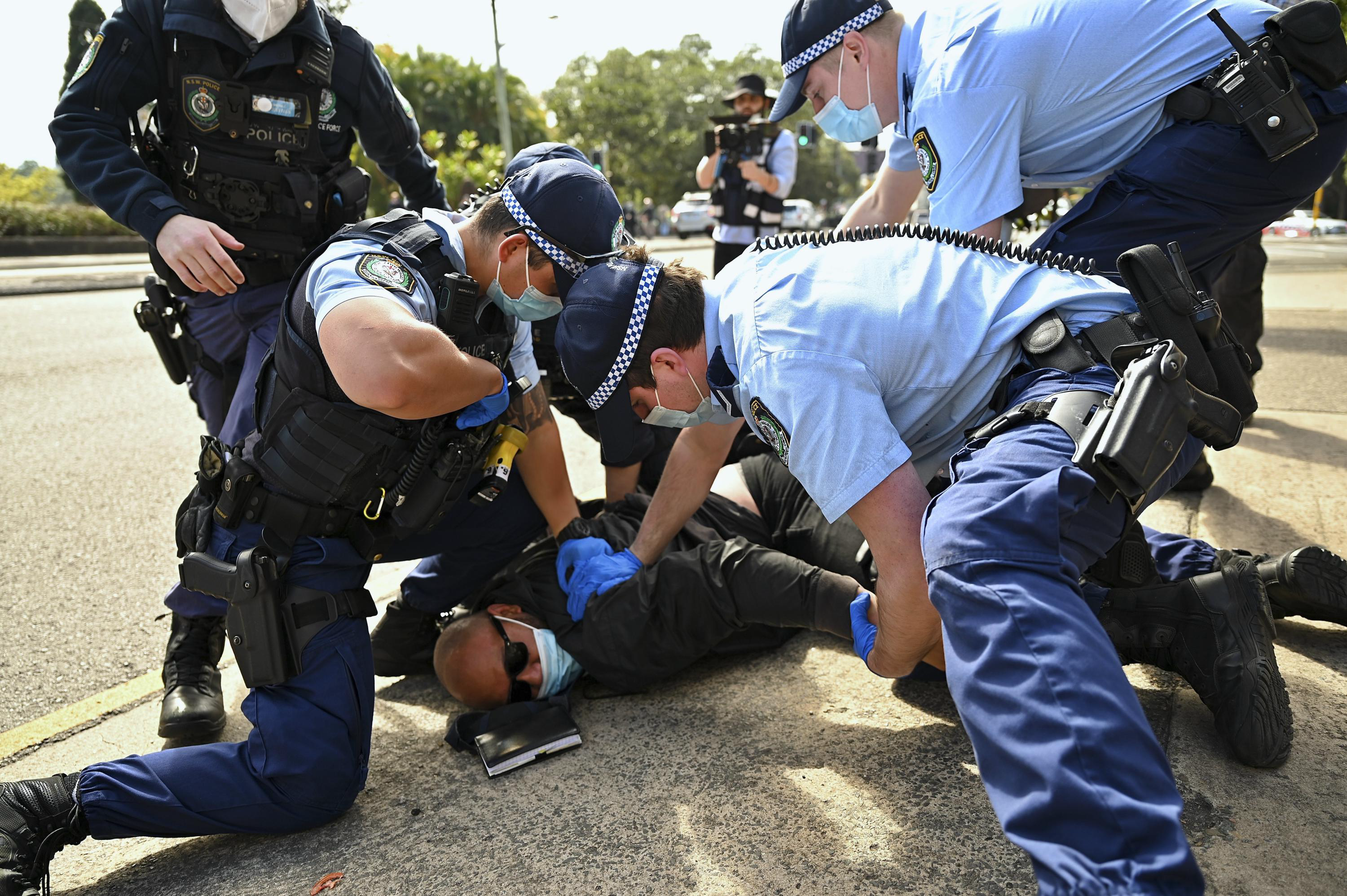
Last week veteran political reporter Mary Spicuzza of the Milwaukee Journal Sentinel was barred from covering a Tiffany event billed as a veterans roundtable. She can be heard on a video pleading her case with campaign aide Eric Brooks, who is also a member of the Waukesha school board.
“We’d like to cover it. Veterans are an important issue,” Spicuzza said.
“We would like you to cover the race fairly,” Brooks said.
“I believe we are,” Spicuzza said.
“You are not.”
“I believe we are.”
“You’re not.”
After the incident, a social media account associated with Tiffany’s campaign suggested that Spicuzza was barred from the event for being biased and a ‘liberal activist.” Former Journal Sentinel editor George Stanley posited another theory, posting on X, “Three billionaires are financing most of Tom Tiffany’s campaign — this is the story that led him to bar the Journal Sentinel — the story he didn’t want Wisconsin voters to see.”
Earlier in the week, according to WisPolitics, Tiffany had been asked about President Trump’s efforts to ban CNN, MS NOW and Politico from the White House. He indicated he didn’t plan to follow suit if elected governor.
“I believe in open, free press, that they be able to ask us questions,” he said. “The principle that I live with is that I just expect all of you to be fair. And as long as you’re fair in your writing, I always welcome the press here.”
When press access is restricted, the public loses out, as Journal Sentinel Executive Editor Greg Borowski noted after Spicuzza was barred entry to the veterans roundtable.
“When our reporters cover campaigns and attend political events, they are there on behalf of the public,” he said. “Blocking them blocks the public from vital information. Our aim is to help voters understand the candidates, their backgrounds and their positions.”
The value of boots-on-the-ground reporting surfaced during the community forum Isthmus co-hosted last month on AI & Journalism, which explored how local newsrooms are using AI and the risks and benefits of the technology.
Panelist Omar Waheed, a reporter with Madison365, pushed back against the idea that journalists have no choice but to use AI in their work. He also questioned the suggestion that AI could take the place of a reporter.
“The bot is not showing up to the grieving family’s wake after their child tragically died,” Waheed said. “They’re not going to replace me showing up to your community meeting. They’re not going to replace me showing up to the protest. They’re not going to take photos. They can’t do everything I can do…It’s a program.”
The forum, moderated by Angela Russell, host of the Black Oxygen podcast, was unexpectedly timely, held the same week that tech industry whistleblowers went public with their fears that AI could be our ultimate undoing.
The conversation was lively and there were a lot of challenging questions. “By relying on rigid and unreliable outdated detectors or other enforcement modalities [that restrict the use of AI], are we unfairly excluding neurodivergent and non-native speakers?” asked one attendee. Also, “What happens when AI writes better articles than 90% of journalists? (It’s coming.)”
Part of the reason we organize community events like these is to build trust with our audience. We hope to demystify what goes on behind the scenes, including how we decide which stories to do and how things get sourced, written and edited. And, in this case, how we use AI and how we don’t (we discussed our new AI policy).
Jorge Reyna, who has spent a couple of decades working in tech startups, and led marketing efforts at Civic Media for a few years, was at the forum.
Reyna, who now runs Frilly, a marketing technology platform, posted a thoughtful comment on LinkedIn after the event, noting that in his world there is lots of excited talk about the “Cambrian explosion in software that is happening thanks to AI.” But, he added, the forum made him think outside his circle, particularly about how AI could further erode trust people have in the media.
“In a world where anyone can generate thousands of words and publish them at the click of a button, who is responsible for guarding the truth?” he wrote.
AI literacy, he added, “is about much more than just learning how to prompt a chatbot to help 10x our output. That’s table stakes. Real AI literacy requires an awareness of our own values, and how we are going to use the technology in ways that best align with them.
“Just because we can, should we? And if we do, how do we keep ourselves honest?”
In an interview, Reyna says that throughout his time in tech he has seen companies strive to harness technology for good, but end up chasing profits instead. Media companies, too, need to consider how their use of AI promotes the public good, he adds.
“How can we make it work for our communities rather than building systems that only extract wealth?”









.png)




.jpg)


 English (US) ·
  French (CA) ·