

.png) 5 months ago
87
5 months ago
87
PROTECT YOUR DNA WITH QUANTUM TECHNOLOGY
Orgo-Life the new way to the future Advertising by AdpathwayMany fashion brands claim making clothes from recycled plastic is a greener option, but is it actually eco-friendly? I reveal all.
Clothes made from recycled plastic are often marketed as a great solution to the global plastic waste problem. Instead of sending bottles to landfill, the plastic is melted down and spun into polyester fibres that can be used in jackets, sportswear, and even everyday clothing.
It certainly sounds like the perfect solution to our plastics problem, but the reality is much more complicated.
While recycled polyester can reduce demand for new fossil fuels, it also raises new environmental questions.
Synthetic fabrics release microplastic fibres when washed, and these tiny plastic particles can end up in rivers, oceans, and even the food chain. Scientists estimate that washing synthetic textiles may account for 16 to 35% of microplastics entering the ocean globally.
At the same time, turning plastic bottles into clothing often creates a recycling dead end. Bottles can usually be recycled repeatedly, but polyester clothing rarely is.
That raises a bigger question.
Are clothes made from recycled plastic actually eco-friendly, or are they another form of greenwashing? Here’s what you need to know:
What Does “Recycled Plastic Clothing” Actually Mean?

Most clothing marketed as recycled plastic is made from recycled polyester.
Polyester itself is a plastic polymer created from petroleum. Recycled polyester uses existing plastic rather than newly extracted fossil fuels. In most cases, the source material is PET plastic bottles, the same type used for water and soft drinks.
The bottles start their journey by being broken down into small plastic flakes. Next, these flakes undergo a melting process, turning them into tiny pellets of plastic. These pellets are then heated up and spun into threads, ready to weave their way into various types of clothing in place of virgin polyester.
These threads aren’t your typical stiff plastic strands. Before being transformed into fabric, the threads go through a crimping machine, which creates a soft, woolly texture. So instead of feeling like you’re wearing hard plastic, your recycled polyester clothes have that cosy, fluffy feel.
The idea behind this process is simple: reuse existing plastic instead of creating more. However, what happens after the fabric is made is where things start to become more complex.
The Problem With Recycled Polyester Fabrics
Virgin polyester is a synthetic fabric made from fossil fuels like crude oil and natural gas. So, swapping out virgin plastics for recycled ones seems like an obvious win. Unfortunately, it’s more complicated than that.
The process of turning plastic bottles and other plastic waste into clothing is commonly known as downcycling.
Once a bottle gets transformed into a polyester top or leggings, it can’t re-enter the bottle recycling stream. Plastic bottles can be recycled multiple times and reincarnated into new bottles. Once recycled into clothing, however, that option is effectively closed off.
Diverting plastic bottles away from the recycling loop that keeps them circling back as more bottles, means that the fashion industry inadvertently puts pressure on the plastic bottle industry. With fashion brands drawing on that supply of plastic for their unrecyclable clothing, the bottle industry finds itself turning to virgin plastic to fill the gap.
Isn’t There More Than Enough Plastic To Go Around?
It’s easy to assume that turning plastic bottles into clothing must be a good thing. After all, there is no shortage of plastic waste. In actuality, it’s more nuanced than that.
Most drinks bottles are made from PET (polyethylene terephthalate), a strong, lightweight plastic that can be recycled several times. Because of this, PET has become the world’s most widely recycled plastic and is commonly turned back into new bottles.
When those bottles are transformed into polyester clothing, the recycling loop generally ends. Garments are typically made from blended fibres, dyes, and finishes that make them difficult to recycle again.
Using recycled polyester instead of virgin polyester can still reduce the need for new plastic. The issue arises when we consider scale. Fast fashion brands produce enormous volumes of clothing every year. H&M, for example, boasts that 99% of its recycled polyester comes from plastic bottles. Yet H&M alone produces 3 million items of clothing a year.
When large quantities of PET bottles are diverted from bottle-to-bottle recycling into clothing production, a material that could have remained in a circular system instead becomes part of a largely linear one.
The Microplastic Problem
One of the other main problems with synthetic clothing, whether made from virgin or recycled plastic, is something that happens in your own home every time you put a load of laundry on. It sheds microplastics.
Microplastics are fragments of plastic less than 5 mm in length. They’re often too small to see, but they end up in our oceans, waterways and soils – and scientists estimate that washing synthetic textiles may account for 16 to 35% of the microplastics entering the ocean globally.
Scientists have also uncovered that microplastics make their way into our food chain, ending up on our plates and in our bodies. Scientists are still working out the full picture, but plastic particles in human tissue is something researchers take seriously.
How Recycled Polyester Compares To Other Fabrics
Different fabrics have very different environmental impacts. Looking at them side by side makes the trade-offs clearer:
| Fabric | Raw Material | Microplastic Pollution | Biodegradable | Recycling Potential |
| Recycled polyester | Plastic bottles | Yes | No | Limited to none |
| Virgin polyester | Fossil fuels | Yes | No | Limited to none |
| Organic cotton | Cotton plants | No | Yes | Good |
| Lyocell (Tencel) | Wood pulp | No | Mostly | Limited |
| Hemp | Hemp plant | No | Yes | Good |
Recycled polyester generally has a lower carbon footprint than virgin polyester because it avoids extracting new fossil fuels. However, both materials behave similarly once they are turned into clothing. They shed plastic fibres and are difficult to recycle at the end of their life.
Natural fibres such as cotton, hemp, or lyocell avoid the microplastic issue, and can generally be recycled. However, these come with their own environmental considerations, such as land use or water consumption.
No fabric is entirely impact-free, but understanding the differences can help you make more informed choices.
Why Fashion Brands Promote Recycled Plastic
Recycled plastic fabrics have become a powerful marketing tool for the fashion industry.
Using recycled materials allows brands to tell a positive environmental story. Turning bottles into clothing is easy to visualise and easy to communicate on product labels. Many garments even state how many plastic bottles were used in their production.
However, this framing keeps the focus on what the fabric is made from, sidestepping the bigger questions. These being how much clothing is being produced, and where does it end up?
A brand can source recycled polyester and still churn out billions of items a year. The recycled label doesn’t cancel out the microplastics, the waste, or the sheer volume.
When Recycled Plastic Clothing Can Make Sense
Recycled plastic fabrics may be the most practical option for certain types of clothing, particularly where durability, elasticity, or water resistance is required, and natural fibre alternatives are limited. For example:
- swimwear
- waterproof jackets
- certain types of activewear
- technical sportswear
- hiking gear
In these cases, choosing recycled polyester rather than virgin polyester can meaningfully reduce the demand for newly produced plastic.
In the case of swimwear, look for options made from ECONYL®, for example. This is an innovative fabric that directly tackles plastic pollution in the ocean by taking nylon waste from carpet offcuts and discarded fishing nets, rather than plastic bottles. I have a full guide to ethical swimwear, packed with the brands making swimwear from recycled plastic, to help you out.
Gym wear is another area where it is often tricky to find performance clothing made from natural fibres. In this case, the use of recycled plastics in these types of clothing is a better choice than using virgin plastic. Try my big guide to sustainable gymwear for the brands doing better.
How To Reduce Microplastic Pollution From Clothing
Even if synthetic fabrics are already part of your wardrobe, there are steps that you can take to reduce the amount of microplastics released during washing. Try my post on how to reduce microplastics when doing laundry for lots of top tips.
What Should I Buy Instead?
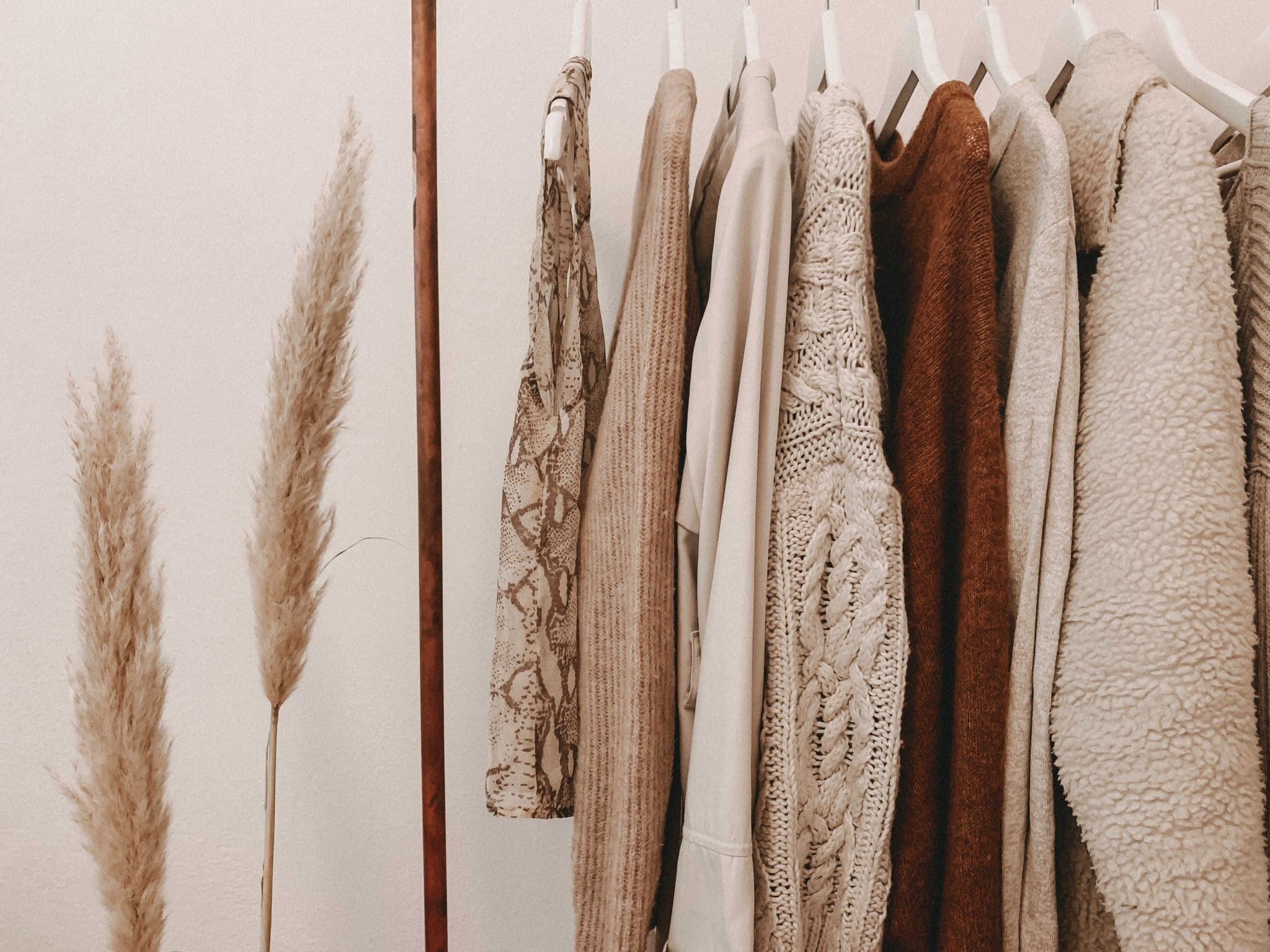
If you are wondering what to buy instead of fast fashion clothing made from recycled plastic bottles, then there are lots of other sustainable choices you can make.
Reducing overall clothing consumption has the most direct impact, since the production of any fabric carries environmental costs. The most sustainable item of clothing is the one you already own — re-worn, looked after, and repaired when needed.
- The first is not buying anything you don’t need. The most sustainable items of clothing are the ones you already own. Re-wearing your clothes again and again, looking after them, and fixing them if they rip is always the most sustainable solution.
- If you need new clothes, try swapping with your friends or taking part in an organised clothes swap.
- Shopping secondhand is also a great sustainable option, which is low-impact.
- If you do need to buy clothing made from recycled polyester, then opt for a style that you will wear again and again, so that it doesn’t end up in landfill after only a few wears.
- Finally, buying clothes made from natural fibres from sustainable clothing brands, where possible, is another environmentally friendly way of upgrading your wardrobe.
The Bottom Line
Recycled plastic clothing isn’t always the straightforward environmental win it is often marketed as. Its impact depends heavily on the type of garment, the scale of production, and what alternatives are available. The most important thing is knowing enough to see past the marketing and making choices that actually line up with your values.
Sign Up For The Moral Fibres Substack
Get all the latest articles from Moral Fibres straight to your inbox, once a month, free of charge through Substack. You can also upgrade to be a paid Substack subscriber, where you’ll receive an additional two exclusive articles a month. Sign up now:

Wendy Graham
Wendy Graham is a sustainability expert and the founder of Moral Fibres, where's she's written hundreds of articles on since starting the site in 2013. She's dedicated to bringing you sustainability advice you can trust.
Wendy holds a BSc (Hons) in Environmental Geography and an MSc (with Distinction) in Environmental Sustainability - specialising in environmental education.
As well as this, Wendy brings 17 years of professional experience working in the sustainability sector to the blog.















.png)






.jpg)



 English (US) ·
  French (CA) ·