

 3 months ago
74
3 months ago
74
PROTECT YOUR DNA WITH QUANTUM TECHNOLOGY
Orgo-Life the new way to the future Advertising by Adpathway
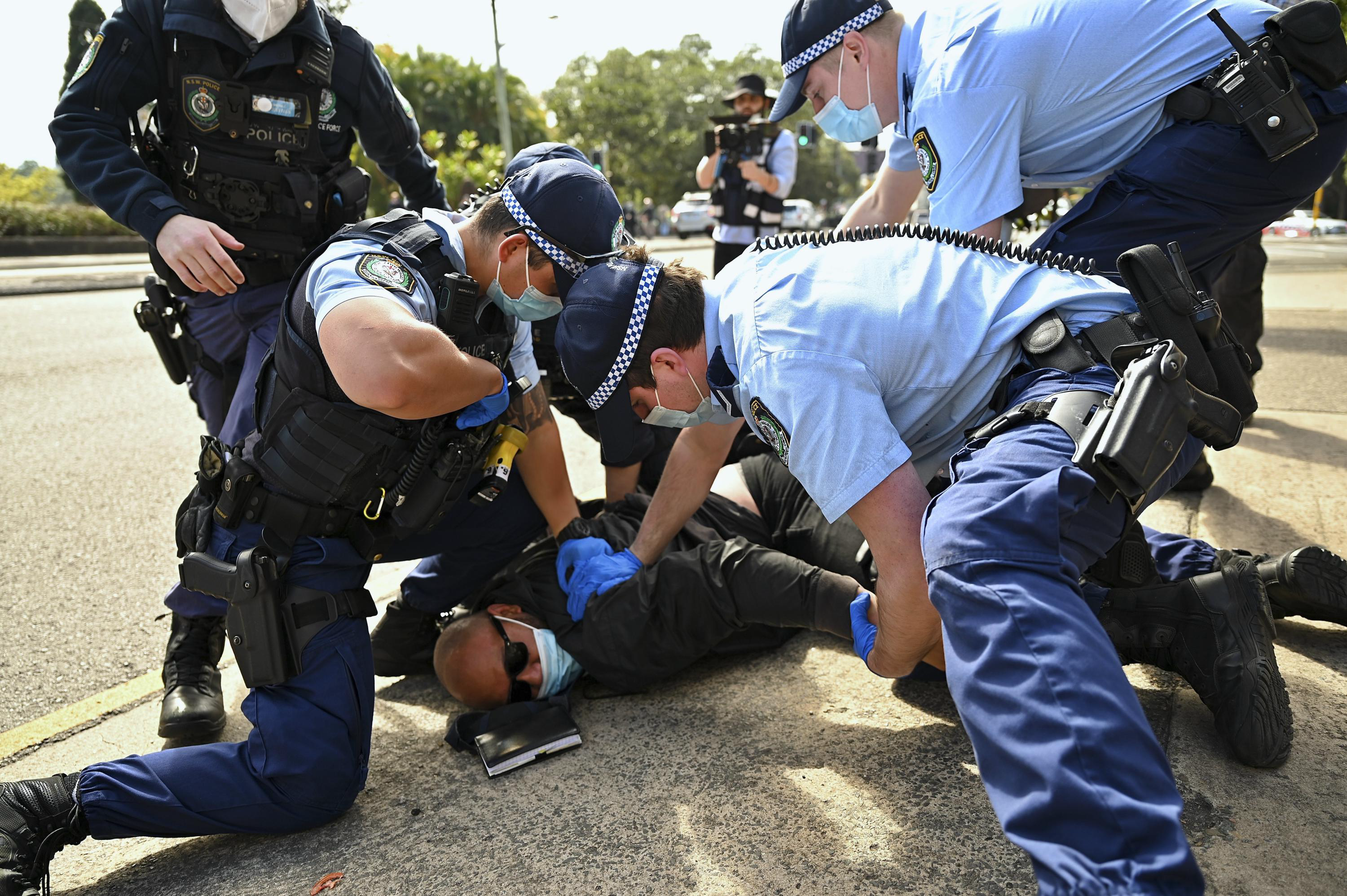
Schools, councils and workplaces will be encouraged to monitor incidents of anti-Muslim hostility under Labour ‘Islamophobia’ plans that critics warn risk having a “chilling effect” on free speech. The Telegraph has more.
The Government on Monday unveiled a definition of anti-Muslim hostility as part of its strategy for social cohesion.
Public, private and charity bodies are to be urged to adopt the non-statutory definition, which was going to be of Islamophobia before the description was changed amid fears it could amount to a blasphemy law by the back door.
Announcing the plan in the Commons, Steve Reed, the Communities Secretary, said the Government had a duty to act against record levels of hate crime against Muslims, but that “you can’t tackle a problem if you can’t describe it”.
However, the move drew warnings from Tories and free speech campaigners that it could hinder “legitimate criticism of Islamism”.
There are also fears it could lead to a system as controversial as non-crime hate incidents, which have been criticised for drawing police into investigating online spats and are expected to be scrapped.
Paul Holmes, the Shadow Communities Minister, said: “It risks undermining free speech within the law, it risks hindering legitimate criticism of Islamism, and it risks creating a back-door blasphemy law.”
Lord Young, the Director of the Free Speech Union, said: “It will inevitably have a chilling effect on free speech because people will be inhibited about raising concerns about specifically Muslim issues, such as honour killings, for fear of being accused of anti-Muslim hostility.”
The new definition describes anti-Muslim hostility as “prejudicial stereotyping of Muslims, or people perceived to be Muslim, including because of their ethnic or racial backgrounds or their appearance, and treating them as a collective group defined by fixed and negative characteristics, with the intention of encouraging hatred against them, irrespective of their actual opinions, beliefs or actions as individuals”.
Reed told MPs the definition would “safeguard” the right to freedom of speech about religion and ensure that concerns raised in the public interest were protected.
It sets out examples of expression that would be “protected”, such as criticising a religion, including Islam, or its practices; ridiculing or insulting a religion or belief; portraying it in a manner that some of its adherents might find disrespectful or scandalous; raising concerns in the public interest, and contributing to debates.
Read More: Schools Urged to Monitor Anti-Muslim Hostility













.png)






.jpg)



 English (US) ·
  French (CA) ·