

Pedro woke up with tongue numbness in a small town in northern Mexico. He had felt fine the night before. He walked to the bathroom mirror and watched as he needed extra strength to lift his eyelids. He looked at his hand, seeing two of them stare back at him. The next day, Pedro started slurring his words.
He went to a local clinic and a physician diagnosed him with an allergic reaction. He returned to his family’s home but later his symptoms worsened. He couldn’t swallow, not even his saliva.
When Pedro told me the story of what had happened to him, I was gripped. I sat at his bedside in the Madison hospital I worked at and his son Jose interpreted his Spanish and narrated the details.
After that first appointment in Mexico, Pedro went to see a different internist, who recommended a medication. Pedro was able to get that medication down for several days and observed that after he took the medicine, his swallowing improved for a few hours. He ate soft foods, like chicken soup. The internist, based on Pedro’s response, referred him to see a neurologist, about two hours away.
“How were you feeling at that point?” I asked Pedro.
“I didn’t know if it was something bad or if it would pass soon. If you can’t keep your body nourished, it feels scary.”
I noted Pedro’s understatement.
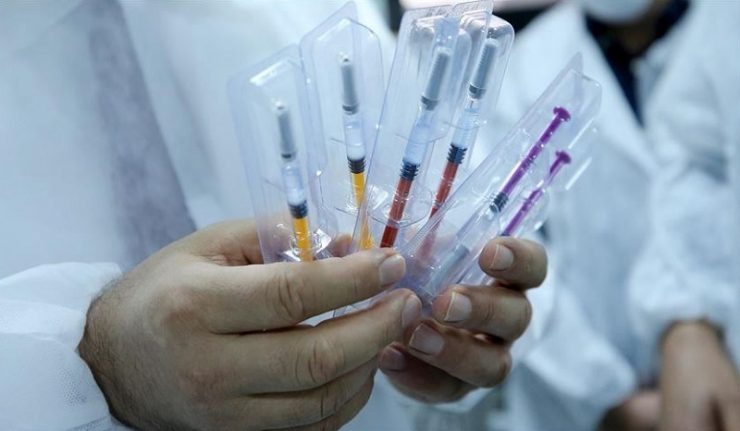
Pedro had a CT scan, which showed no stroke, and then a battery of neurological tests. The neurologist had a diagnosis in mind. He recommended a nasogastric tube to start nutritional shakes and IVIG — intravenous immunoglobulin — but it wasn’t available in the city. The neurologist advised Pedro to return home to Wisconsin.
Pedro accepted his recommendation. After a nurse threaded a skinny tube into his nose, Pedro questioned if he’d tolerate a flight home. He called his two sons. Jose and his brother drove 22 hours through the night and 1,700 miles later, they picked up their dad across the border from Texas. They fed him shakes during the marathon drive back. Jose drove his father to the emergency department, and I met Pedro three days into his hospitalization.
“Is it still difficult to swallow?” I asked.
“Yes,” he replied in a muffled voice.
He told me he had booked a trip to Mexico to spend time with extended family. By being there in December and January, he’d skip the brutal cold of the Wisconsin winter. Born in Mexico, Pedro initially traveled to Wisconsin seasonally to work on farms. The work was physical, growing corn, potatoes and soybeans but it wasn’t overwhelming; the Mexican heat was worse. The most difficult part was being away from family.
Pedro eventually moved to America’s Dairyland to work full-time. His wife and two kids soon joined him. His sons did similar work for a company that employed farm workers. His sons became American citizens while he remained a permanent resident. After a long career, Pedro retired and visited Mexico when he could. With his current illness, future visits would be on pause.
Later in the week, I sat down next to Pedro and asked him about his journey to America.
“What made you want to move to America? I imagine it must have been hard to leave your family.”
He responded calmly. Jose interpreted his father’s words and reported, “The chance at a better life.”
I had heard this response once before. My father moved our family from Bangladesh to America when I was a toddler. When I asked him why, the answer he gave was similar: opportunity.
My parents left their family in Dhaka in 1990 and traded it for a new world in Wisconsin. My father learned to drive a car and improved his English. Though he had an MBA in Bangladesh, he did janitorial work at Kohl’s to pay rent. A decade later, he earned an accounting degree and ran a health clinic on a reservation. It was challenging for my dad to leave but he did so believing the benefits would be there for his children. When immigrants move and start over, the benefits don’t take place until the next generation grows up. Parents are the ones who make the biggest sacrifices.
One of my dad’s goals in moving to a new country was to take care of family. While raising his own, he sent what money he could to help his parents. Pedro explained how he shared the same altruism with my father. Most farm workers who come to Wisconsin are working long hours and for low wages, and some try to take care of a broader network. Many work without healthcare or health insurance. I know this because I’ve treated patients at the free clinic in Dodgeville. The struggle isn’t often seen.
Yet, those in power and in politics demonize immigrants as people who are stealing jobs.
After Donald Trump rode down the escalator in 2015, he railed against Mexicans.
“They’re taking our jobs. They’re taking our money,” he said.
He failed to put any of the responsibility on those who should get the credit: their employers.
Business owners, who accept cheap labor and tolerate unsafe working conditions, should be held accountable for not hiring American workers.
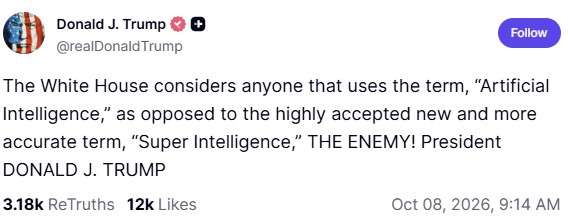
While the man in the White House gets richer and employers use AI to take jobs away from people, it makes sense why Trump goes after immigrants: they’re easy targets.
How immigrants behave after they arrive in America is a lot like Pedro’s family. They put their head down and they work hard. There’s no PR machine for that.
In my interactions with Pedro, I noticed his stoic affect. I imagined years of physical labor prepared him for the journey he was on now. I suspected that what drove Pedro to strive hard in his younger years on American farms is the same ambition that drove him to survive when he was lacking nutrition and treatment in Mexico.
IVIG did not improve Pedro’s condition and he was treated with plasmapheresis and a surgically placed feeding tube. His antibody test returned positive, confirming the diagnosis. Pedro had developed myasthenia gravis. His body had made antibodies that attacked his nervous system, resulting in severely weak muscle contraction.
Pedro eventually made it home after a long hospitalization.
In my last interaction with them, I praised Jose.
“I’m impressed by what you did for your dad,” I said.
“That’s how I was raised,” said Jose.
America should reward that type of ethos, not exploit it.
Istiaq Mian is a physician in Madison, Wisconsin. He writes on Substack at substack.com/@istiaqmian.
Istiaq Mian is a physician in Madison, Wisconsin. He writes on Substack at substack.com/@istiaqmian.







.png)





.jpg)



 English (US) ·
  French (CA) ·