

 2 months ago
31
2 months ago
31
PROTECT YOUR DNA WITH QUANTUM TECHNOLOGY
Orgo-Life the new way to the future Advertising by AdpathwayStephen Miller’s remarks on Fox News’ “Hannity” have ignited a firestorm of debate. On August 25, 2025, the former Deputy Chief of Staff for Donald Trump leveled serious allegations against the Democratic Party, characterizing it as a “party of Marxist, communist, socialist, violent extremists.” This bold assertion sparked an immediate reaction across social media and news platforms, as many began dissecting his statements for accuracy.
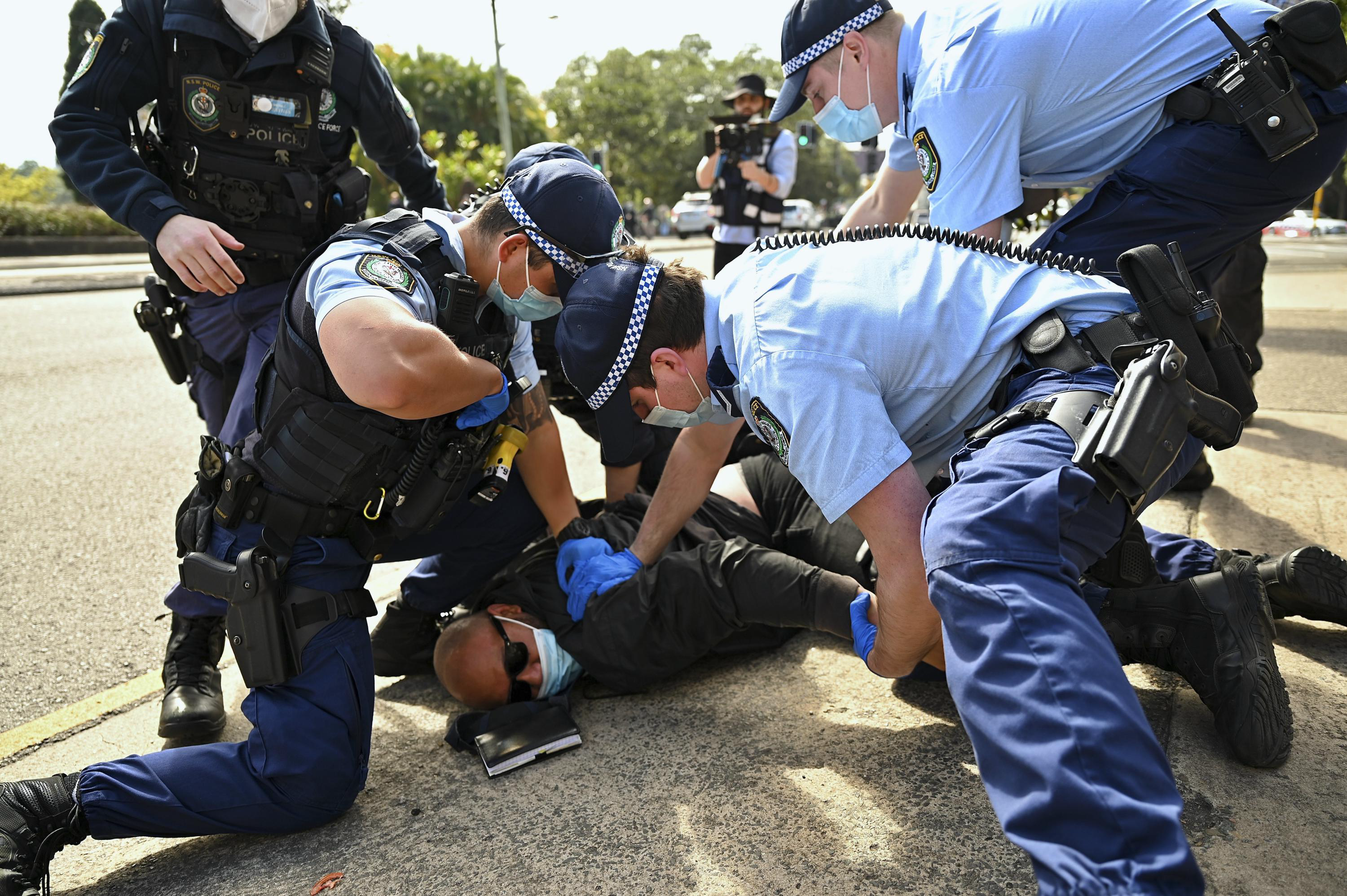
Miller didn’t hold back. He claimed that Democratic policies contribute to rising crime rates in cities like Chicago and Washington, D.C., suggesting that these approaches lead to “getting Americans killed en masse historically for many years now by criminal illegal aliens.” His comments imply a direct connection between the Democratic agenda and violence against law enforcement, particularly Immigration and Customs Enforcement (ICE) officers. This portrayal aligns with a broader narrative among conservatives that positions the Democratic Party as a risk to public safety and order.
During his discussion with Sean Hannity, Miller claimed that the Democratic Party “does not fight for, care about or represent American citizens.” This stark characterization positions the Democrats not just as political rivals but as adversaries who prioritize the rights of offenders over law-abiding citizens. Miller’s rhetoric seeks to mobilize supporters while discrediting opponents.
The context of Miller’s remarks reflects deep-seated frustrations tied to crime and law enforcement under Democratic leadership. Critically, this narrative seems to exploit the challenges faced by cities labeled as dysfunctional under liberal governance. Terms like “defund police” and “no-bail” resonate through his arguments, highlighting perceived Democratic failures in providing safety and justice.
However, crime statistics contradict some of Miller’s claims. Recent reports indicate that Chicago’s violent crime rate had dropped by 21.9% in 2024, raising questions about the stark image Miller painted of the city. These figures suggest that the realities of crime may not align with the sensational narratives frequently deployed in political discourse.
Miller’s comments are part of a calculated political strategy featuring incendiary language, including denouncing opposition to Trump-era policies as “domestic terrorism.” This tactic intensifies the rhetoric and serves to reinforce the divide between political factions, painting the opposition in an unfavorable light.
The timing of Miller’s comments adds another layer to an already charged political environment, especially amidst criticism of federal interventions in cities like Chicago and D.C. Some view these actions as an effort by the Trump administration to appear strong, while others question their legality and effectiveness.
State officials, including Illinois Governor J.B. Pritzker, have pushed back against the crisis narrative. By emphasizing their commitment to reducing crime through funding for law enforcement and community programs, they present a contrasting view to Miller’s dire warnings. This clash underlines differing strategies and reveals a broader debate on appropriate responses to crime and safety.
The ongoing debate represents a significant political divide. Supporters of more federal intervention argue that such measures are crucial for combating urban crime, while critics contend that these narratives exaggerate the issues for political gain. The rhetoric surrounding these policies raises questions about the effectiveness and motivations behind federal involvement in local law enforcement.
Miller’s statements also shine a light on the complexities of federal intervention in local policing. Critics express concern over insufficient collaboration with local police and the potential erosion of states’ rights amid these sweeping measures. As the discourse evolves, tensions surrounding crime and law enforcement remain a critical focus for both sides of the aisle.
In conclusion, Stephen Miller’s explosive commentary on “Hannity” encapsulates a recurring narrative that views Democratic policies as harmful and ineffective. While these remarks resonate with some audiences, they face considerable scrutiny and pushback, revealing the intricate relationship between crime, political rhetoric, and federal intervention in local affairs. The public and policymakers alike are left grappling with the implications of these debates as the political landscape continues to unfold.
"*" indicates required fields














.png)






.jpg)


 English (US) ·
  French (CA) ·