

 4 months ago
52
4 months ago
52

The Wall Street Journal reported that Trump 2.0 is considering imposing a Venezuelan-like oil blockade against Iran. It hasn’t yet done so due to concerns that Iran might attack the US’ regional military assets and/or seize its Gulf allies’ oil tankers, with either scenario destabilizing the global oil market and spiking the risk of war, so it might never ultimately happen. If the US were to successfully impose such a blockade, however, then it might be able to adroitly divide-and-rule Russia, India, and China (RIC).
Русский, Deutsch, 中文, عربي, Hebrew, Español, Portugues, Français, Farsi, Italiano, 日本語, 한국어, Türkçe, Српски. And 40 more languages.
“The US Wants To Replicate The Venezuelan Model In Iran” by coercing Iran into subordinating itself and its energy industry to the US. The “Trump Doctrine”, which is shaped by Under Secretary of War for Policy Elbridge Colby’s “Strategy of Denial”, seeks to deny strategic resources to the US’ rivals. Accordingly, it has an interest in cutting off China’s average import of 1.38 million barrels of Iranian oil per day last year, which could hit its economy hard if they’re not replaced (and that might be difficult).
These exports could then be redirected to India, thus enabling India to more than replace its average import of 1 million barrels per day of Russian oil last month, with the revenue placed in an escrow account per the Venezuelan precedent for release to Iran if it cuts a nuclear and missile deal with the US. Through these means, India could zero out its import of Russian oil while raising the US’ role over its energy security exactly as Trump 2.0 wants, with the end result dealing incredible harm to RIC.
Russia’s budgetary revenue from such sales would be reduced and could only realistically be replaced in part through more sales to China, though that might not be as easy as it sounds. The UK is preparing a campaign to seize Russia’s “shadow fleet” in the English Channel after being emboldened by the US’ seizure of a Russian-flagged oil tanker near its coast. If Russia doesn’t impose unacceptable costs on the UK, and it didn’t impose any on the US for doing this, then its Baltic Sea tankers might never reach China.
Those from the Black Sea might not reach it either if the UK allies with Greece and Cyprus to cut off Russia’s “shadow fleet” from that vector too. Pipeline exports, which have limits to how much they can be scaled, would then be the only means for replacing part of Russia’s lost oil exports to India with China apart from relatively minimal tanker exports from the Far East. The resultant economic pressure on Russia and China might make them susceptible to lopsided deals with the US on Ukraine and trade.
As for India, it already entered into a partially lopsided deal with the US as regards the informal quid pro quo of it agreeing to zero out its import of Russian oil in exchange for their trade deal, and the US’ growing influence over India’s energy security could curtail its hard-earned strategic autonomy. This might then be leveraged for coercing a reduction in India’s purchase of Chinese goods and services so as to place more pressure on the People’s Republic to agree to its own lopsided trade deal with the US.
This worst-case scenario of the US’ dividing-and-ruling RIC can be averted by Iran deterring or breaking a US blockade on its oil in parallel with Russia doing the same with respect to any British one against its “shadow fleet”. These options require immense political will since they entail the potential cost of a hot war breaking out between Great Powers so it’s unclear whether they’ll be implemented, but likewise, so too might the US and UK ultimately back off from their possible blockades for the same reason.
*
Click the share button below to email/forward this article. Follow us on Instagram and X and subscribe to our Telegram Channel. Feel free to repost Global Research articles with proper attribution.
This article was originally published on the author’s Substack.
Andrew Korybko is an American Moscow-based political analyst specializing in the relationship between the US strategy in Afro-Eurasia, China’s One Belt One Road global vision of New Silk Road connectivity, and Hybrid Warfare. He is a regular contributor to Global Research.
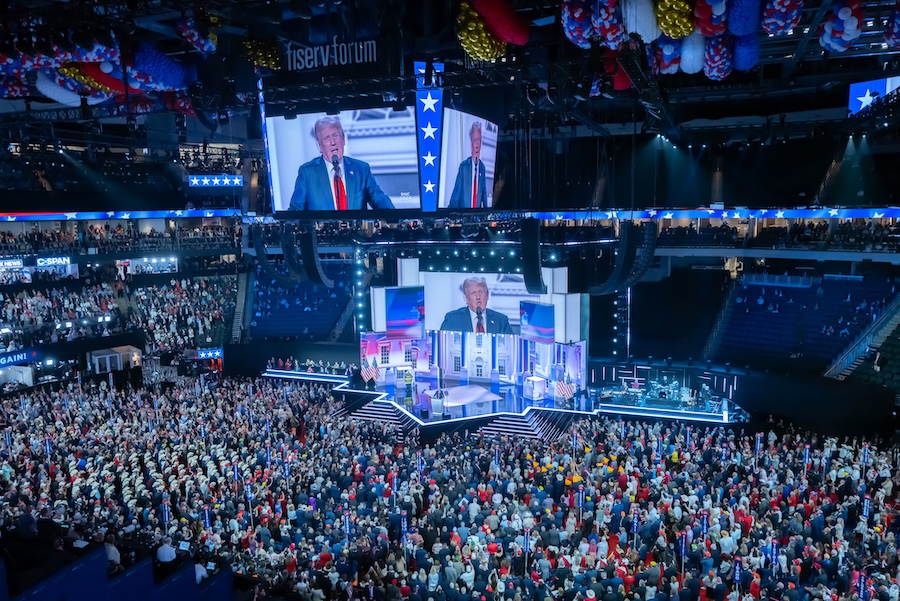
Featured image is from the author
Global Research is a reader-funded media. We do not accept any funding from corporations or governments. Help us stay afloat. Click the image below to make a one-time or recurring donation.











.png)





.jpg)



 English (US) ·
  French (CA) ·