

 1 week ago
16
1 week ago
16
PROTECT YOUR DNA WITH QUANTUM TECHNOLOGY
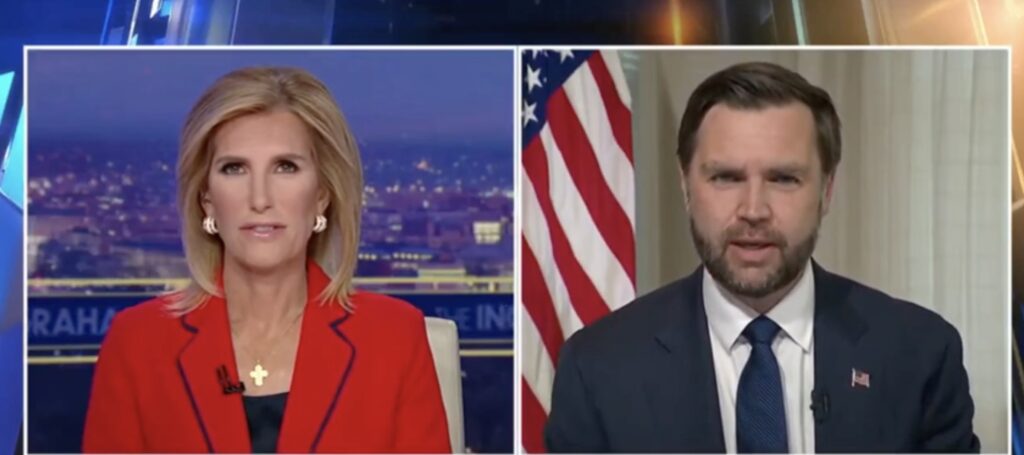
Orgo-Life the new way to the future Advertising by AdpathwayThe situation in the Strait of Hormuz has become increasingly intricate, marked by Iran’s declaration of closure amid rising military tensions with the United States and Israel. The implications of such a move are profound, considering that nearly a third of the world’s crude oil passes through this narrow passage. Recent remarks by U.S. Senator JD Vance cast doubt on Iran’s ability to enforce this closure, suggesting that the claims may be more of a strategic maneuver than a real threat. Vance stated, “I see no evidence of Iran closing the Strait,” reflecting a growing skepticism among U.S. officials.
The Strait of Hormuz, connecting the Persian Gulf to the Gulf of Oman, serves as a critical chokepoint for global energy trade. Historically, Iran has leveraged its geographical advantage to assert influence and project military strength. Current tactics reportedly include naval exercises and aerial threats designed to showcase its ability to disrupt maritime traffic. Yet, skepticism surrounds Iran’s actual control and capability to enforce a blockade, particularly in the face of possible international intervention.
The economic repercussions of Iran’s threat have been immediate and pronounced. Following the declaration of a closure, oil prices surged significantly, underscoring the interconnectedness of global energy markets. In just days, Brent crude prices rose from $71.32 to $77.24 per barrel, reflecting the market’s anxiety about potential supply disruptions. Such volatility raises concerns not only for oil but also for natural gas prices, which saw steep increases of 54% in Asia and 63% in Europe. Even the United States, while largely insulated due to its energy independence, experienced a 7% increase in domestic natural gas prices.
The challenges posed by these developments are manifold. Increased fuel prices translate to higher living costs for consumers. The implications go beyond the immediate spike in energy prices; they signal a broader vulnerability within the global energy supply chain, where significant disruptions could lead to prolonged economic instability. In light of this, President Trump has emphasized the importance of America’s strategic petroleum reserves to stabilize domestic markets amid such crises. Yet even with buffers in place, the nuances of energy geopolitics demonstrate that no nation remains entirely immune from the ramifications of geopolitical upheaval.
The narrative surrounding Iran’s closure threat raises critical questions about the dynamics at play. Some analysts interpret Iran’s posturing as a calculated bluff, a diplomatic tactic employed to exert pressure without actual intent to close off a crucial global shipping lane. This perspective has fueled debates among politicians and experts alike. Mark Finley from Rice University noted that while higher oil prices may benefit U.S. producers, they ultimately impose burdens on consumers at the pump. Abhi Rajendran of Energy Intelligence echoed this sentiment, remarking, “prices go up anyway,” highlighting the tight interlink between local markets and global events.
In response to the emerging crisis, international agencies like the International Energy Agency (IEA) have acted quickly. They coordinated emergency oil releases among member countries to alleviate potential shortages and moderate shock waves in the market. Such collaborative measures signal a recognition of the urgent need to manage the complexities of geopolitical tensions affecting energy supply chains.
The broader implications of the tensions in the Strait of Hormuz extend well beyond immediate military posturing; they reflect the intricate ties that bind energy security with economic stability. The interplay of power in international waters illustrates the limitations of a nation’s influence and the necessity of cooperative engagement in global trade. As developments unfold, the ongoing debate regarding Iran’s actual intentions and the effectiveness of its strategies will continue to engage policymakers and analysts alike.
Ultimately, this situation reinforces the precarious balance inherent in international economic systems. While the immediate threats may shift, the global community remains acutely aware of the potential for significant geopolitical and economic shifts. With every twist in this narrative, observers are reminded that the stakes are high, not just for Iran or the immediate region, but for economies intertwined across the globe.
"*" indicates required fields












.png)






.jpg)



 English (US) ·
  French (CA) ·