

 1 week ago
8
1 week ago
8
PROTECT YOUR DNA WITH QUANTUM TECHNOLOGY
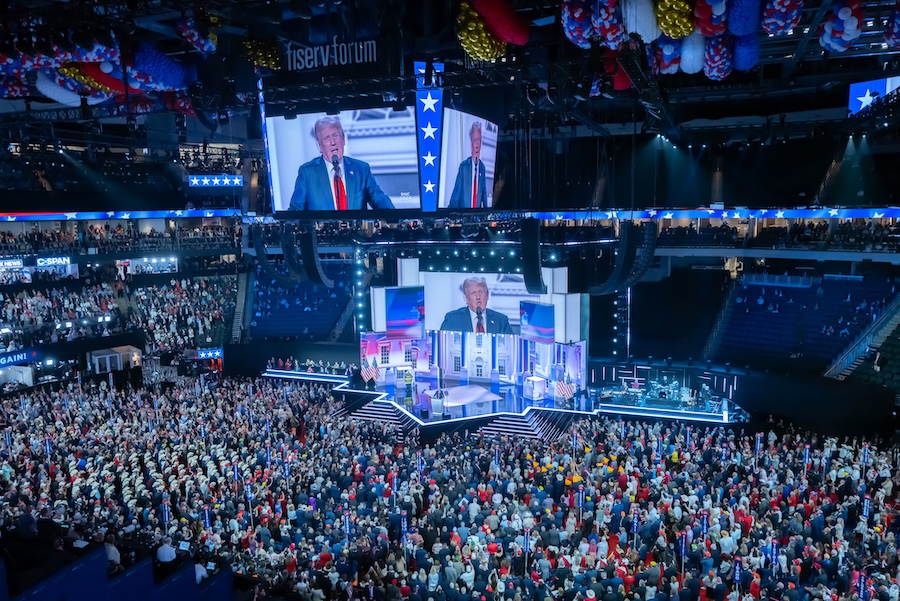
Orgo-Life the new way to the future Advertising by AdpathwayPresident Trump is thrusting a pivotal issue into the spotlight with the “SAVE America Act.” This proposed legislation aims to tighten voter registration and identification protocols across the nation, reflecting Trump’s persistent focus on election security. By demanding proof of U.S. citizenship for voter registration and imposing ID requirements for all voters, both in-person and mail-in, the bill is positioned as a shield against voter fraud.
Trump’s Legislative Drive
Trump’s vigorous campaign for the bill comes as he rallies Senate Republicans to align behind this initiative. His recent social media activity highlights this drive, indicating the weight he places on the SAVE America Act. “🚨 AWESOME! President Trump is RIGHT NOW behind closed doors telling the Senate GOP to get moving on the SAVE America Act,” one tweet read. This proves his commitment to not just introducing the bill, but pressing for its adoption, which he sees as vital for maintaining electoral integrity.
With the House of Representatives already passing a related piece of legislation, known as the “Safeguard American Voter Eligibility Act,” the Senate’s action is crucial. Trump’s tactic of withholding support for other legislative matters until this bill advances adds to the urgency for Republican senators. This pressure may propel the bill further in the legislative process.
Details of the Bill
The SAVE America Act seeks to bolster measures introduced in the initial SAVE Act, mandating government-issued photo IDs as prerequisites for both registration and voting. Voters would also need to submit photocopies of their ID for mail-in ballots. This approach aims to tighten the verification process but raises concerns about access for certain groups of voters.
Under the proposed law, states would have to perform regular audits of voter rolls, ensuring all records are current and that ineligible voters are purged. Moreover, states would be required to coordinate with federal databases to streamline citizenship verification. This strategy intends to create a robust framework for safeguarding the vote.
Debate and Opposition
While the bill enjoys support from its proponents, critics caution against the potential for disenfranchisement. Concerns raised by groups like the Brennan Center for Justice highlight that stringent identification requirements could disenfranchise millions of Americans, particularly those lacking easy access to necessary identification documents. Many in vulnerable populations could bear the brunt of these new regulations.
UCLA Law professor Rick Hasen pointed to existing laws, noting the severe penalties already tied to voter fraud, saying, “If you’re a noncitizen and you sign under penalty of perjury that you are a citizen and you’re eligible to vote, you’re committing a felony.” This underscores the seriousness with which fraudulent voting is treated under current legislation.
Estimates from the Brennan Center suggest approximately 21 million Americans could face challenges under these new requirements, impacting demographics such as the elderly, low-income individuals, and those who have experienced name changes, such as newly married persons. These groups might struggle to comply with the new documentation mandates.
Political Divide
Trump’s endorsement of the SAVE America Act solidifies its role as a key issue for the Republican Party as they seek to enhance election security. Trump articulated, “We don’t want people that aren’t citizens of our country voting,” a sentiment that echoes the party’s determination to assert electoral integrity.
Conversely, Democrats criticize the bill, portraying it as overly restrictive and potentially disenfranchising voters. Some Democrats predict the legislation has a slim chance of progressing in the Senate, labeling it “dead on arrival.” This highlights the contentious dynamics expected in the upcoming legislative discussions.
Trump has made it clear that the SAVE America Act “must go to the front of the line,” indicating he views it as a priority over other issues. This insistence showcases the political urgency around voter security but also reflects a growing chasm in bipartisan cooperation, with Democrats resistant to what they deem excessive legislative measures.
Senate Challenges
Advocates in the Senate face formidable obstacles as they attempt to advance the SAVE America Act. The existing filibuster rules, which necessitate a supermajority of 60 votes for most legislation, complicate the path forward. Even with a Republican majority, there are not enough votes to bypass this requirement without support from across the aisle.
Senate Majority Whip John Thune has acknowledged the intricate nature of advancing such a bill, suggesting that despite its alignment with Republican goals, substantial bipartisan support or procedural compromises will be essential for its success.
Looking Toward the Future
The future of the SAVE America Act carries weighty implications for election processes in the United States. While public sentiment remains divided, Trump’s steadfast advocacy emphasizes the bill’s significance within conservative circles. The potential consequences for future elections and voter registration practices are considerable.
As the Senate contemplates the merits and drawbacks of this legislation, the nation watches closely. The ongoing debate encapsulates one of the fundamental tenets of democracy: the right to vote. Political maneuvering over this act promises to shape the legislative landscape and influence voting procedures in the years to come.
"*" indicates required fields









.png)





.jpg)



 English (US) ·
  French (CA) ·