

 7 years ago
111
7 years ago
111
PROTECT YOUR DNA WITH QUANTUM TECHNOLOGY
Orgo-Life the new way to the future Advertising by Adpathway(CE) Harvard Professor of Medicine and Former Editor-in-Chief of the New England Medical Journal said it best. “The medical profession is being bought by the pharmaceutical industry, not only in terms of the practice of medicine, but also in terms of teaching and research. The academic institutions of this country are allowing themselves to be the paid agents of the pharmaceutical industry. I think it’s disgraceful.” (source)
There is a reason why the most widely accessed article in the history of the Public Library of Science (PLoS) is entitled, Why Most Published Research Findings Are False. In the report, researchers stated that most current published research findings are false, and this was more than 10 years.
We don’t have to look for the most recent example, a study that was just published in the British Medical Journal by researchers at the Nordic Cochrane Center in Copenhagen showed that pharmaceutical companies were not disclosing all information regarding the results of their drug trials. Researchers looked at documents from 70 different double-blind, placebo-controlled trials of selective serotonin reuptake inhibitors (SSRI) and serotonin and norepinephrine reuptake inhibitors (SNRI) and found that the full extent of serious harm in clinical study reports went unreported. These are the reports sent to major health authorities like the U.S. Food and Drug Administration. (source)
It’s time to be educated on many drugs that still have unknown effects long term.
This echoes the words of Dr. Richard Horton, the current Editor-In-Chief of one of the most reputable reviewed medical journals in the world, The Lancet:
The case against science is straightforward: much of the scientific literature, perhaps half, may simply be untrue. Afflicted by studies with small sample sizes, tiny effects, invalid exploratory analyses, and flagrant conflicts of interest, together with an obsession for pursuing fashionable trends of dubious importance, science has taken a turn towards darkness. (source)
Another former Editor in Chief of the New England Medical journal,which is also considered to be one of the best in the world, Marcia Angell (the author of “The Truth About Drugs”) has made similar assertions:
It is simply no longer possible to believe much of the clinical research that is published, or to rely on the judgement of trusted physicians or authoritative medical guidelines. I take no pleasure in this conclusion, which I reached slowly and reluctantly over my two decades as an editor of the New England Journal of Medicine. (source)
The list of evidence and statements literally goes on and on. Prescription drugs are the 4th leading cause of death in the world. This makes prescription drugs a major health risk, ranking 4th with stroke as a leading cause of death. If that’s not enough to make you shriek, I’m not sure what will.
Overdoses now leading cause of death of Americans under 50
The pharmaceutical industry is committing a silent holocaust around the globe. It works like this: People are sick because they aren’t getting proper nutrients. Then they are covering up their sickness with a doctor-prescribed pill. But this is causing some serious side effects, leading their doctors to prescribe more pills to conceal those side effects.
The following is a list of the 7 most dangerous and heavily promoted prescription drugs with some natural alternatives.
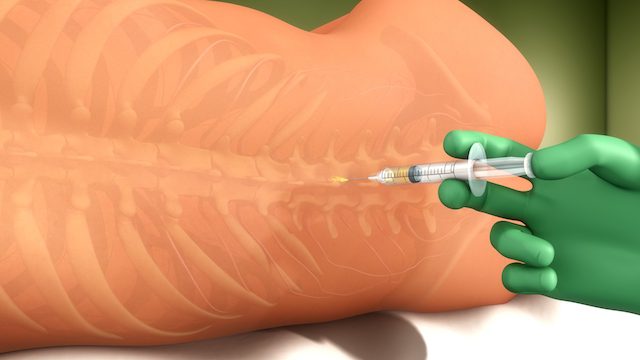

1) PREDNISONE OR CORTISONE
What’s the deal? Used to treat rheumatoid arthritis, lupus, asthma, allergies and many other conditions. Corticosteroids mimic the effects of hormones your body produces naturally in your adrenal glands, which sit on top of your kidneys. When prescribed in doses that exceed your body’s usual levels, corticosteroids suppress inflammation.
What are the side effects?
- High blood sugar, which can trigger or worsen diabetes
- Increased risk of infections
- Thinning bones (osteoporosis) and fractures
- Suppressed adrenal gland hormone production
- Thin skin, easy bruising and slower wound healing
Alternatives: Raw whole food diet. Read about Maya’s story HERE.

 2) METHOTREXATE & OTHER CHEMOTHERAPEUTIC AGENTS
What’s the deal? For the most part, Methotrexate is used alone or together with other medicines to treat several types of cancer such as breast, head and neck, lung, blood, bone, lymph node and uterus cancers. Methotrexate is used to treat certain types of cancer of the breast, skin, head and neck, or lung. It is also used to treat severe psoriasis and rheumatoid arthritis. Methotrexate is usually given after other medications have been tried without successful treatment of symptoms.
What are the side effects?
- Cause fetal death and congenital anomalies.
- Liver and Kidney toxicity.
- Bone marrow depression.
- Lung disease which can be fatal.
- Reacts with NSAID’s which can be fatal.
- May cause intestinal bleeding and ulceration.
- Depresses the immune system.
Alternatives: Read more HERE.
10 Prescription Drugs that You Should Know have Serious Side Effects

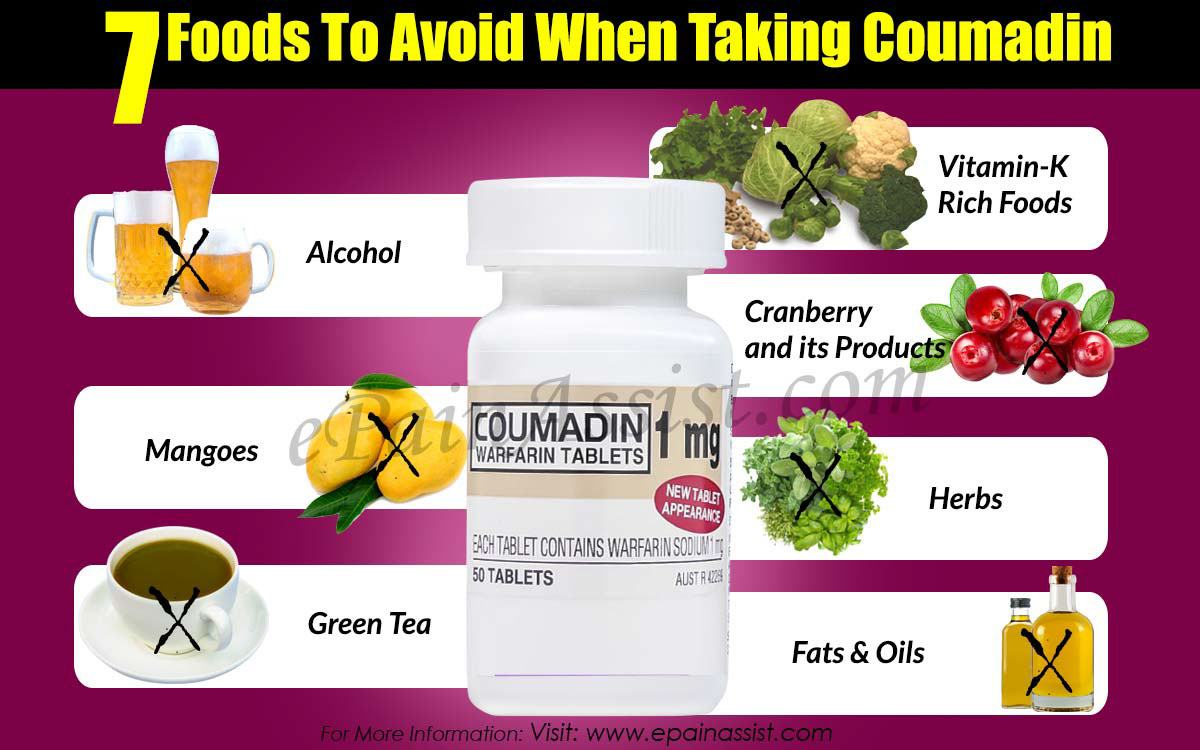
3) COUMADIN OR WARFARIN
What’s the deal? Anticoagulant (blood thinner) which prevents the formation and migration of blood clots.
What are the side effects?
- Haemorrhage (bleeding)
Alternatives:
- Vitamin C – 1,000 mgs. daily. Vitamin C coats the red blood cell (RBC’s) walls and prevents them from breaking and bleeding. However, too much Vitamin C inhibits the absorption of calcium.
- Vitamin E - 400 IU. Vitamin E coats RBC’s and binds collagen in blood vessels to prevent bleeding and strokes.
- OPC 165 (all natural anti-oxidant blend).


4) CHOLESTEROL LOWERING DRUGS
What’s the deal? There are multiple types. Some of these drugs (Atromid and Lopid) work by absorbing bile acids which are produced from cholesterol in the intestinal tract and cause them to be excreted, thereby lowering the levels of cholesterol circulating in the blood. Statin drugs reduce production of cholesterol in the liver and alter the way in which LDL cholesterol enters the cells.
What are the side effects?
- Myositis – inflammation of the muscles.
- Rhabdomyolysis (rare) – With this condition, muscles all over the body become painful and weak. The severely damaged muscles release proteins into the blood that collect in the kidneys. The kidneys can become damaged trying to eliminate a large amount of muscle breakdown caused by statin use. This can ultimately lead to kidney failure.
Alternatives: Fish, whole foods – oats, nuts, beans, spinach, avocado.
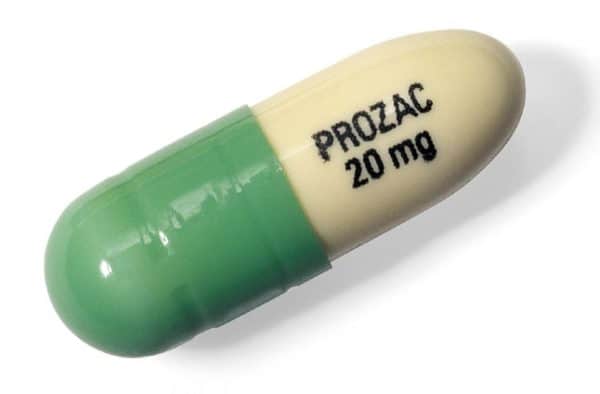
5) PROZAC (ANTI-DEPRESSANTS)
What’s the deal? Prozac, Zoloft, Paxil, Lovan and Luvox belong to a class of drugs which alter the mechanism that balances levels of the neurotransmitter serotonin in the brain. Serotonin affects mood, agitation, anxiety and sleep. These drugs mock the re-uptake or removal of serotonin by nerve cells in the brain, thus leaving more serotonin to bind to the receptor sites. This has been shown to alter mood and behavior.
What are the side effects? The FDA has admitted that antidepressants can worsen depression and suicidal symptoms in some patients. Other side effects include:
- nausea
- increased appetite and weight gain
- loss of sexual desire and other sexual problems, such as erectile dysfunction and decreased orgasm
- fatigue and drowsiness
- insomnia
- dry mouth
- blurred vision
- constipation
- dizziness
- agitation
- irritability
- anxiety
Alternative: Aerobic exercise and a clean whole-food diet.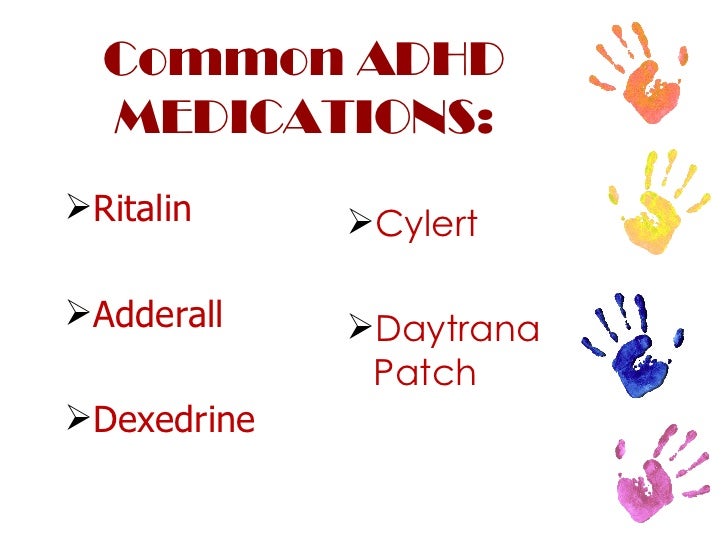
6) RITALIN, CYLERT, DEXADRINE, ADDERAL
What’s the deal? It produces such effects as increasing or maintaining alertness, combating fatigue and improving attention. Traditionally used to treat ADD or ADHD in children. It has also been used to treat narcolepsy. Frighteningly enough, Dr. Bruce Perry, a world-renowned ADHD expert, has stated that ADHD is not a real disease.
What’s the risk?
- Abdominal pain
- Alopecia (loss of hair)
- Angina (chest pain)
- Appetite loss
- Anxiety/Nervousness
- Blood pressure and pulse changes (both up and down)
- Cardiac arrhythmia
- Depression
- Diaphoresis (sweating)
- Dizziness
- Hypersensitivity
- Psychosis and psychiatric disorders
- Stunted growth
- Suicidal ideation
- Tachycardia
Alternatives: Yoga, exercise, playing an instrument, clean whole food diet.
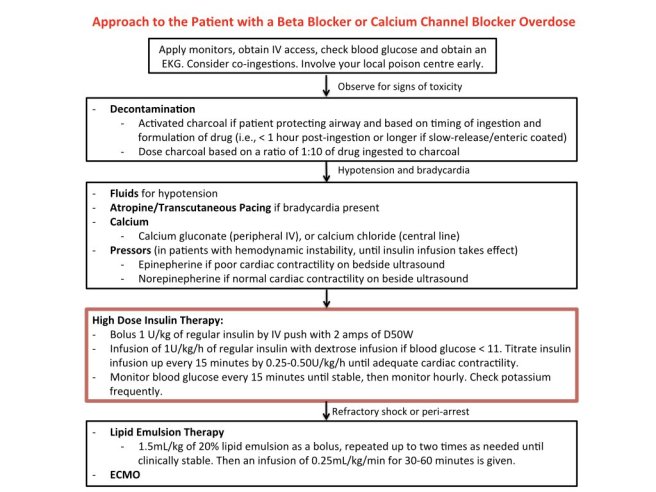
7) BETA BLOCKERS AND CALCIUM CHANNEL BLOCKERS
What’s the deal? A class of drugs used to lower blood pressure.
What’s the risk? Calcium channel blockers – In an ongoing study, Bruce Psaty, M.D., compared 291 patients taking calcium channel blockers for hypertension to 1,240 people with the same condition, but taking other drugs. He found that patients who were taking large amounts of calcium channel blockers for high blood pressure had a 60% higher death rate compared to patients taking diuretics or beta blockers.
- shortness of breath
- cold extremities
- palpitations
- congestive heart failure
Alternative: Reduce processed sodium intake, reduce alcohol consumption, exercise regularly, whole food diet.
THE BOTTOM LINE
The bottom line is that taking a long-term medication which alters any of your natural body functions is obviously dangerous. This includes virtually everything used for high blood pressure and heart disease; diuretics, beta blockers, calcium channel blockers and ACE inhibitors.
While prescription pills are beneficial in some cases, the Collective Evolution team are advocates of nutrition as the most powerful type of medicine. Our body is truly a remarkable machine naturally built for optimal function, but this is only when we provide our body with all of the essential nutrients that it needs.
When we are not supplying our bodies with proper nutrition, disease likely manifests. This is usually when most people will resort to prescription drugs. These drugs only cover up the problem, but are never actually dealing with the root cause.

Join QAnon (No Admin Post Approval) on Facebook to discuss more on this subject. Click NOW!!
List of the 10 Most Dangerous Drugs by Adverse Reaction
10. Metoclopramide (Reglan)
Metocloapramide is a treatment for nausea and vomiting. The most common adverse reaction is tardive dyskinesia, or involuntary movements of the tongue, lips, face, trunk, and extremities.
- Percent of Serious Reactions: 91%
- Number of Serious Reactions: 32,757
- Total Reported Reactions: 35,623
9. Infliximab (Remicade)
Infliximab is a immunological agent, meaning that it works by either enhancing or suppressing the immune system. It used to treat arthritis, Crohn’s disease, psoriasis, ulcerative colitis, and more. The most common adverse reactions are infusion related (hypersensitivity) and may include flushing, fluctuations in heart rate and blood pressure, indigestion, bronchospasm, back pain, fever, hives, swelling, nausea, and rashes
- Percent of Serious Reactions: 91%
- Number of Serious Reactions: 68,167
- Total Reported Reactions: 74,73
8. Tacrolimus (Protopic)
Tacrolimus is a topical anti-inflammatory treatment for the skin conditions psoriasis and eczema. The most common reaction is “drug ineffective” which was basically tied with “death“.
- Percent of Serious Reactions: 92%
- Number of Serious Reactions: 27,964
- Total Reported Reactions: 30,262
7. Zoledronic Acid (Reclast)
Zoledronic acid is a calcium regulator which is used to treat high levels of calcium caused by cancer. The most common reaction is osteonecrosis. caused by reduced blood flow to the bones and joints, causing bone to break down and die. The most common area affected is the jaw.
- Percent of Serious Reactions:: 93%
- Number of Serious Reactions: 35,581
- Total Reported Reactions: 38,016
6. Dexamethasone (Decadron)
Dexamethasone is a glucocorticosteroid (anti-inflammatory) used in the treatment of cancer. The most common reactions are diarrhea and pneumonia.
- Percent of Serious Reactions: 93%
- Number of Serious Reactions: 38,966
- Total Reported Reactions: 41,636
5. Clozapine (Clozaril)
Clozapine is an antipsychotic used for the treatment of schizophrenia. The most common reactions are death and increased white blood cells.
- Percent of Serious Reactions: 95%
- Number of Serious Reactions: 29,470
- Total Reported Reactions: 30,914
4. Rituximab (Rituxan)
Rituximab is used to treat certain types of cancer, such as non-Hodgkins lymphoma and leukemia. The most common adverse reaction is death.
- Percent of Serious Reactions: 96%
- Number of Serious Reactions: 30,014
- Total Reported Reactions: 31,157
3. Bevacizumab (Avastin)
Bevacizumab is an immunological agent (chemotherapy). It slows the growth of new blood vessels, and is used to colorectal, lung, glioblastoma, kidney, cervical, and ovarian cancers. The most common adverse reaction is death.
- Percent of Serious Reactions: 96%
- Number of Serious Reactions: 39,957
- Total Reported Reactions: 41,281
2. Prednisolone (Cotolone)
Prednisolone is a steroid which is used to treat conditions related to inflammation, such as colitis, multiple sclerosis, and arthritis.
- Percent of Serious Reactions: 96%
- Number of Serious Reactions: 42,323
- Total Reported Reactions: 43,817
1. Cyclophosphamide (Cytoxan)
Cyclophsophamide is a type of chemotherapy which treats cancers similar to Rituxan. It works by slowing or stopping cell growth. The most common adverse reactions are pyrexia (fever), following by pneumonia.
- Percent of Serious Reactions: 97%
- Number of Serious Reactions: 33,128
- Total Reported Reactions: 34,076
Other Potentially Dangerous Drugs
Also on the list of the most dangerous drugs were anti-anxiety and prescription painkiller medications.
Here are the results/rankings along with most common adverse reactions:
Benzodiazepines
49. Alprazolam (Xanax) – nausea
34. Lorazepam (Ativan) – nausea and fatigue
Opiods (Painkillers)
48. Tramadol – nausea and pain
40. Fentanyl (Actiq) – pain
31. Oxycodone (OxyContin) – pain and nausea
17. Morphine – nausea and pain
Several anti-depressants such as setraline (Zoloft) and citralopam (Celexa) also appeared in the top 50 most dangerous drugs,
Commentary: G. Nathalee Serrels, M.A., Psychology
 As someone who has worked with seniors, I found it troubling to see so many medications on this list that i recognized.
That is, working in a adult foster care home, I have administered many of these drugs in multiple combinations to the elderly.
In addition to those above, anti-psychotics, heart medications, and cancer medications show up frequently on the list, which you can view in its entirety here.
Please, if you or someone you know is taking these medications, especially in combinations, please read all the instructions that are provided.
If you have questions, ask the prescribing physician or pharmacist. Sometimes the most dangerous drugs are simply the ones which are not taken correctly.
~ G. Nathalee Serrels, M.A., Psychology

This slideshow requires JavaScript.











.png)






.jpg)



 English (US) ·
  French (CA) ·