

.png) 10 hours ago
10
PROTECT YOUR DNA WITH QUANTUM TECHNOLOGY
Orgo-Life the new way to the future Advertising by AdpathwayAmericans’ subjugation to Trump’s tariffs now approaches the two-year mark, and in that time, consumers have seen rising prices in nearly every purchasing sector. Case in point: Trump placed 50% tariffs on many Canadian goods over the summer, which continued to stress the relationship between the U.S. and our neighbor to the north while also pushing costs higher.
And it doesn’t end there. On Sept. 29, Trump announced a $1 billion ban on Canadian goods in a few specific categories, including alcohol and dairy.
To find out how this ban will impact food and beverage prices in the United States over the coming months — and how the ban may worsen the tough financial conditions and the already strained relationship between the U.S. and Canada — we turned to three economists to provide their thoughts on this recent White House decision.
The ban placed on Canadian goods will have a greater effect on availability than pricing.
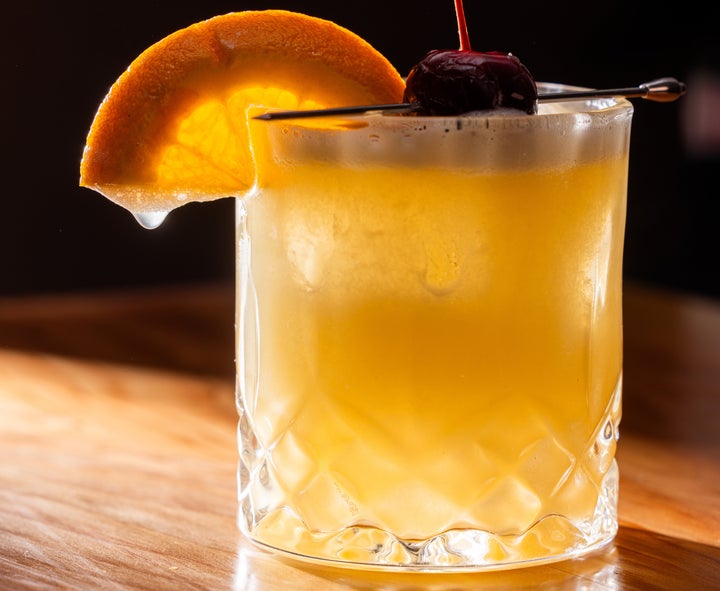
The ban that went into effect in September involves products from a few food-related categories. Specifically, the ban affects all alcoholic beverages from Canada, molasses, nonalcoholic beer and spirits, and the dairy byproduct whey.
Charles Wollertz via Getty Images
Because this ban went into effect on the heels of this summer’s huge Canadian tariff increase, Josh Stillwagon, associate professor and the division chair of economics at Babson College in Wellesley, Massachusetts, told us that the individual impact of the ban on American prices will be minimal. “Given that we are already starting from a dramatic 50% tariff and this [ban] hits a relatively small portion of total trade from Canada, the outright ban is unlikely to have a major impact on overall inflation; a 50% tariff on these goods already made importation unprofitable for many of them,” Stillwagon said.
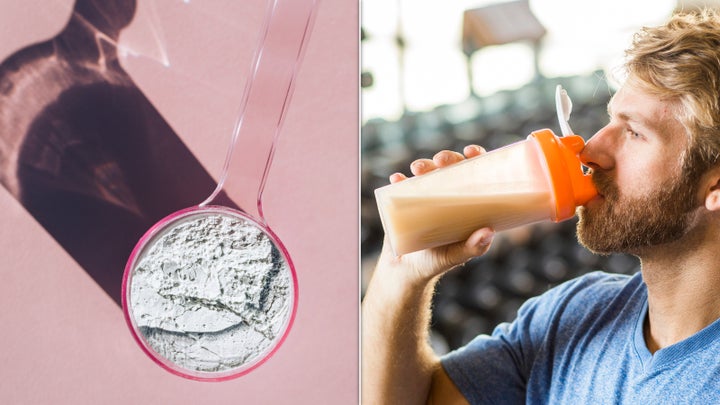
However, Stillwagon warned that the ban could limit the availability of these products on a broader scale, especially whey protein. “The ban does make it so some consumers won’t have the option to pay the extra 50%. Whey protein is also a noteworthy market given the dramatic increase in demand in recent years and resulting price increases. That will be exacerbated,” Stillwagon explained.
Because Canada accounts for the majority of whey imports to the United States and is also the fastest-growing source of American whey imports, this ban will undoubtedly cut into the U.S.’s whey protein supply.
Bars and shops that focus on small-distribution alcohol brands will likely see price increases because of this ban.
Removing Canadian spirits and beers from store shelves will cause logistical issues for bars, restaurants and shops that carry these products. “Banning these Canadian imports will clearly mean some goods are not available (e.g., Canadian Club whiskey) while the price of goods that would have competed with these products will go up — we have evidence of retail prices of domestic goods rising when there are tariffs on imports that compete with them,” said Michael Klein, professor of international economic affairs at The Fletcher School at Tufts University and executive editor of Econofact.
Fergus Hodgson, director of Econ Americas, also mentioned that hospitality businesses “that are deeply embedded with Canadian suppliers of alcoholic beverages” will experience more challenges than businesses that rarely carry Canadian products. “That might include those near the border, with longstanding relationships and with brand-loyal consumers,” Hodgson said. But he added that, for larger alcohol brands with the financial resources to do so, “there is the workaround of U.S. bottling, which presumably could be arranged if this ban continues for more than a season or so.” That would require the brands to send their spirits over the border in bulk form (in tanks, barrels, or plastic totes), and the bottling would then happen stateside.
For smaller Canadian craft spirits brands, that U.S.-bottling option isn’t generally viable. Therefore, “bars or shops that specialize in small distribution alcohol will be most affected. There is an exception for bulk alcohol transportation, so larger firms can bottle in the U.S. This means it is mostly the Canadian small businesses losing out on U.S. consumers,” Stillwagon said.
Getty
Smoothie shops and purveyors of protein supplements will need to deal with the ban on whey protein.
When it comes to whey protein, that may seem like a very niche product … and, in many ways, it is. But the heightened interest in protein that’s taken hold of the wellness community in recent years means that whey is more desirable than ever, and Stillwagon said that “domestically, whey protein bans will affect costs for smoothie shops and gyms that cater to clientele looking for protein supplements.”
The biggest impact will involve a further drop in Canadian tourism to the United States.
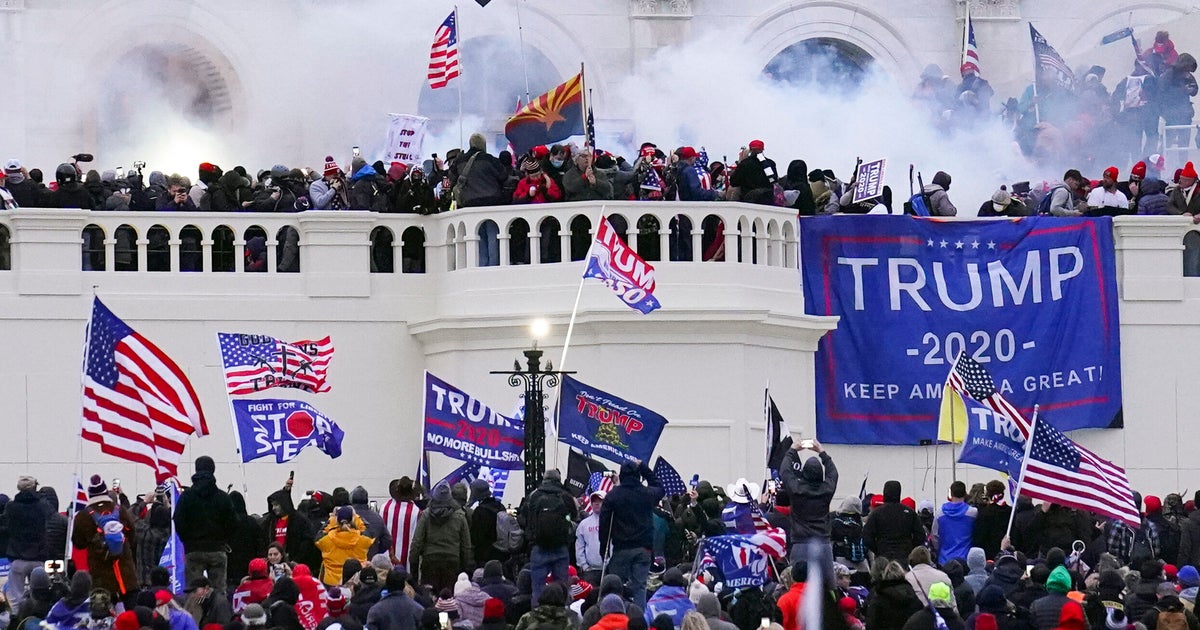
Our experts asserted that the ban itself won’t have a massive impact on prices in the United States, but it’s impossible to look at the ban as a separate problem. It must be considered in the context of the summer tariffs, and the combination of these two factors places more stress on the relationship between the United States and its neighbor to the north. “The ongoing trade war with Canada has caused a major drop in tourism. This has rebounded a bit over the last year, but [it] is still down about 25% compared to 2024. Each new negative headline likely keeps the boycotts going for many Canadian travelers,” Stillwagon warned.
Canadians feeling more hesitant about visiting the United States (and spending money in the United States) won’t be felt evenly throughout the country; states that border Canada will inevitably take on a larger burden. “The border states are the major trading partners with Canada. Maine, Vermont, upstate New York and Michigan are likely to be most affected,” Stillwagon said. But “snowbird” destinations aren’t immune to this problem. “[Many] Canadians spend the winter in southern U.S. areas like Arizona and Florida, [and] these areas will be adversely affected. These places have already seen a shortfall of visitors from our northern neighbor,” Klein said.
If a future Congress decides to repeal these bans, pricing can level out quickly, but the damage to the U.S.-Canada relationship will last much longer.
With Election Day fast approaching, many of us wonder what may become of Trump’s controversial policies (including the tariffs and the Canadian ban) if control of Congress flips. According to Stillwagon, a congressional decision to reverse Trump’s trade policies will have fast effects on the restoration of Canadian trade … but not very fast. “Transportation of goods could resume within a couple of days, but importers may need to establish new supplier contracts and Canadian producers will need time to replenish inventory. This would generally take a couple of quarters or so,” Stillwagon said.
However, the United States is now in the throes of a much bigger Canada-related problem that could take years to rectify. “The bigger problem is that businesses will (rightfully) be skeptical of any pause or resolution given the capriciousness of President Trump’s trade policy. They won’t want to resume production and trade if it could just be cut off again at a moment’s notice. Similarly, the hard feelings toward the U.S. that have deterred Canadian tourism are unlikely to abate without a major and prolonged change in U.S.-Canada political relations,” Stillwagon said. Klein agreed, adding that “even if the ban is removed, the U.S. is now seen as an unreliable trade partner, so there could be a real reticence to engage with the United States.”









.png)






.jpg)



 English (US) ·
 French (CA) ·